:+86 15106109009
:sales@couplingzy.com


 English
  русский
  Español
  عربى
عربى  Português
  Deutsch
  Türk
Türk  Indonesia

GB Drum Gear Coupling: High-Capacity Power Transmission for Demanding Industrial Systems
Content
- 1 1. The Operating Principle of a Drum Gear Coupling
- 2 2. Main Technical Advantages
- 2.1 2.1 High torque capacity across a complete size range
- 2.2 2.2 Resistance to impact and overload conditions
- 2.3 2.3 Improved misalignment accommodation
- 2.4 2.4 Compact structure and high power density
- 2.5 2.5 Suitability for harsh industrial environments
- 2.6 2.6 Reduced vibration caused by manufacturing inaccuracy
- 3 3. Technical Specifications of the GB Series
- 4 4. Manufacturing Technology and Quality Control
- 5 5. Advantages Compared with Alternative Coupling Types
- 6 6. Application Areas
- 7 7. Coupling Selection Guide
- 8 8. Installation and Maintenance Recommendations
- 9 9. Customization and Engineering Support
- 10 10. Company Manufacturing Strengths
- 11 11. Total Cost of Ownership
- 12 12. Safety Considerations
- 13 13. Frequently Asked Questions
- 13.1 What is a GB drum gear coupling?
- 13.2 What standard does this coupling follow?
- 13.3 What is the torque range of the GB series?
- 13.4 What shaft sizes are available?
- 13.5 Can the coupling operate at high speed?
- 13.6 Does the coupling eliminate the need for alignment?
- 13.7 Does it require lubrication?
- 13.8 Is it suitable for impact-loaded equipment?
- 13.9 What industries use this coupling?
- 13.10 Can non-standard versions be manufactured?
- 13.11 How should a coupling be selected for replacement?
- 13.12 Why choose a drum gear coupling instead of an elastic coupling?
- 14 14. Conclusion
- 15 References
- 16 Product: GB Drum gear coupling(Q/YG11001X-2018)
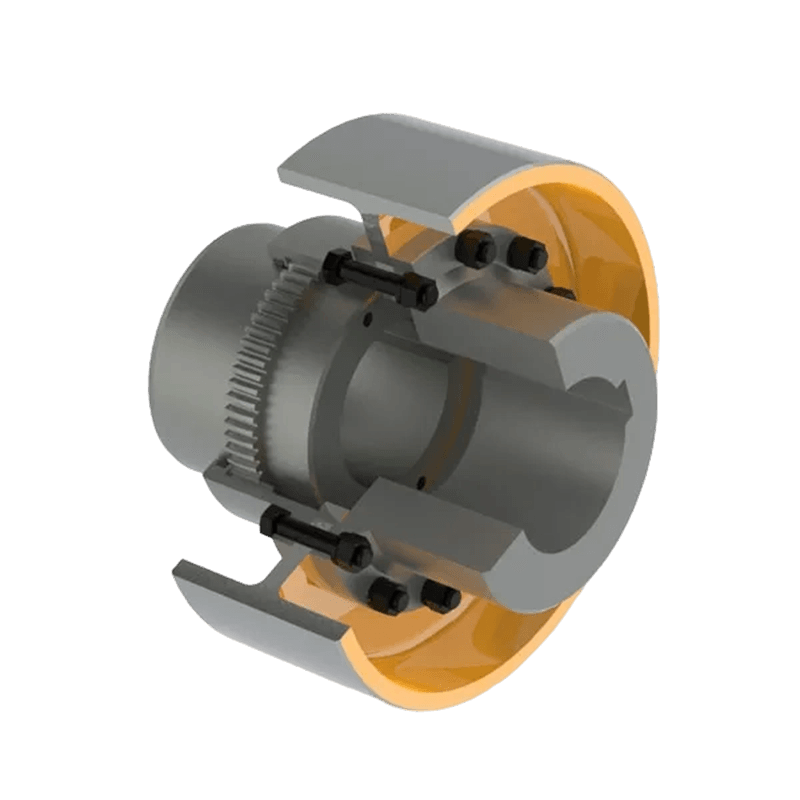
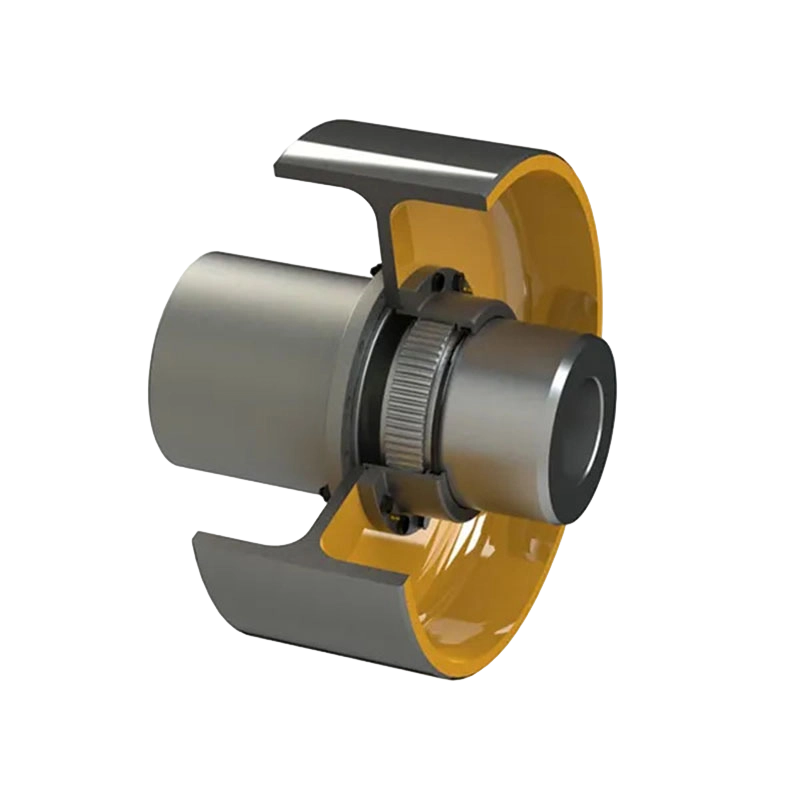
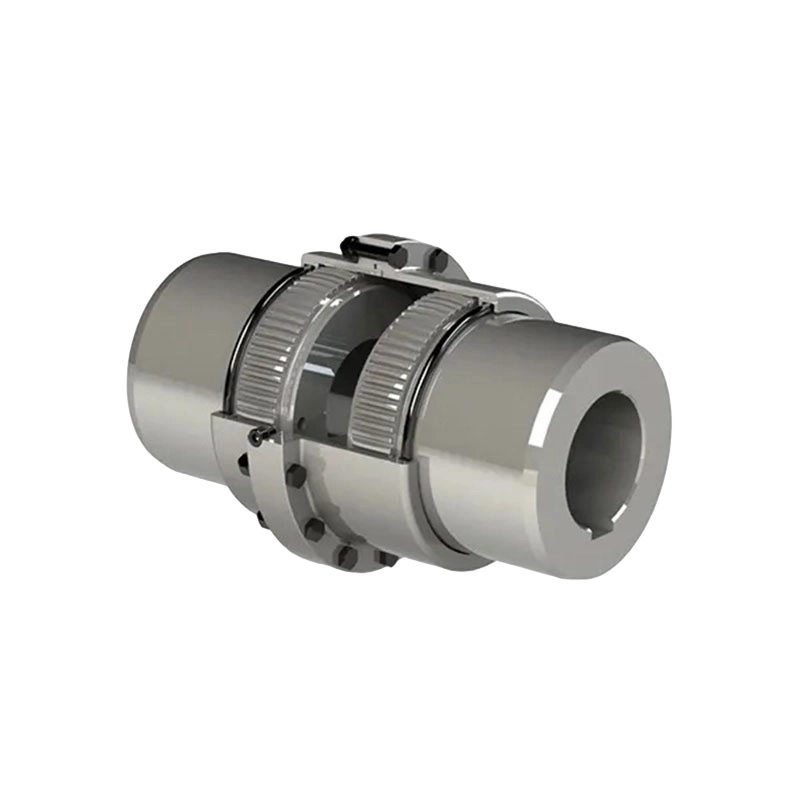
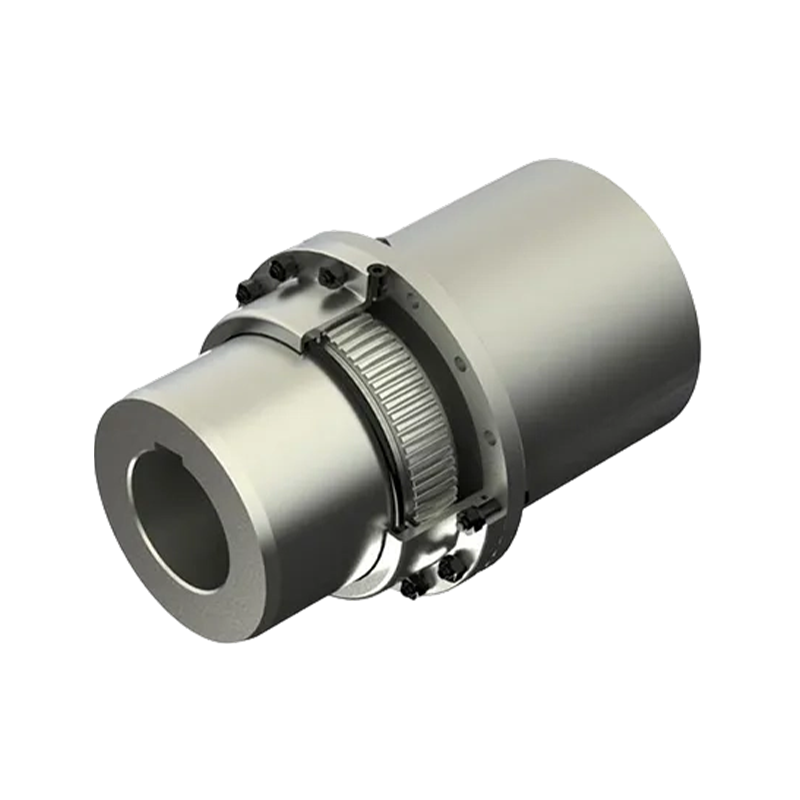
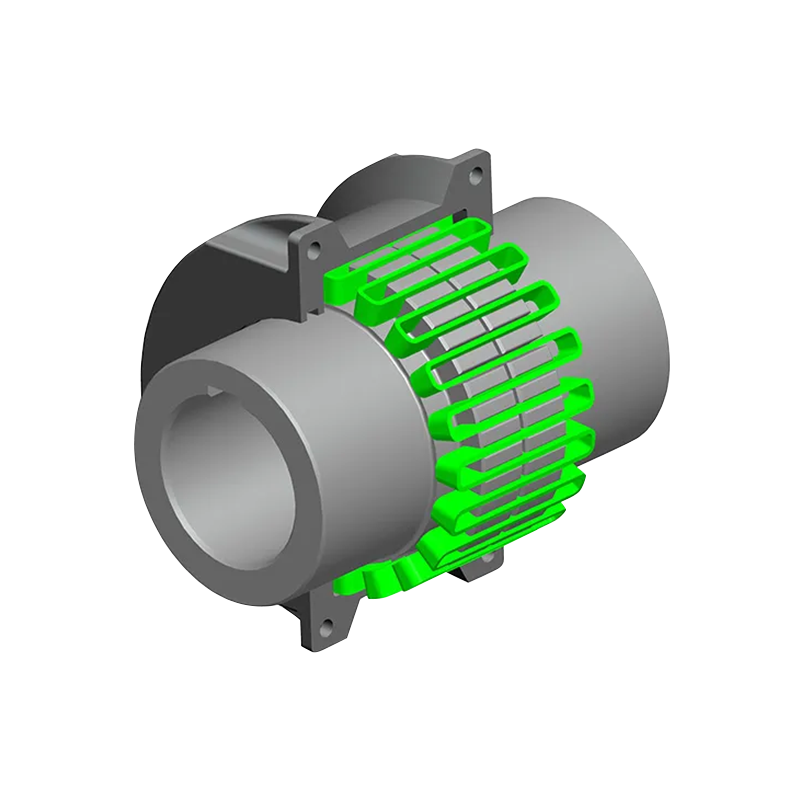
The GB-type drum gear coupling, manufactured according to Q/YG11001X-2018, is a heavy-duty flexible coupling designed for reliable torque transmission between connected shafts. It belongs to the category of flexible couplings with non-elastic elements and uses precisely manufactured external and internal gear teeth to transmit power while accommodating specified installation and operating deviations.
Drum gear couplings are widely used where ordinary rigid couplings cannot provide sufficient flexibility and where an elastic coupling may not offer the required torque capacity, temperature resistance, or impact strength. The GB series combines a compact transmission structure with high load-carrying capability, broad shaft compatibility, and a comprehensive range of sizes. It is suitable for steel rolling equipment, mining machinery, cranes, conveyors, pumps, compressors, paper machinery, port equipment, and other industrial systems that operate under demanding conditions.
Available in models GB1 through GB25, the series covers nominal torque ratings from 0.63 kilonewton meters to 5,600 kilonewton meters. The range also accommodates shaft hole diameters from 16 millimeters to 1,040 millimeters and shaft hole lengths from 45 millimeters to 900 millimeters. This broad specification range allows engineers to select a coupling according to actual torque, speed, shaft size, space, and service requirements instead of adapting the machine to a limited standard product.
Manufactured by Zhongye Heavy Industry Technology (Zhenjiang) Co., Ltd., the coupling reflects the company’s experience in research, design, production, and sales of industrial transmission products. Its manufacturing capabilities include heavy machining, precision machining, quality inspection, surface treatment, assembly, and customized coupling development.
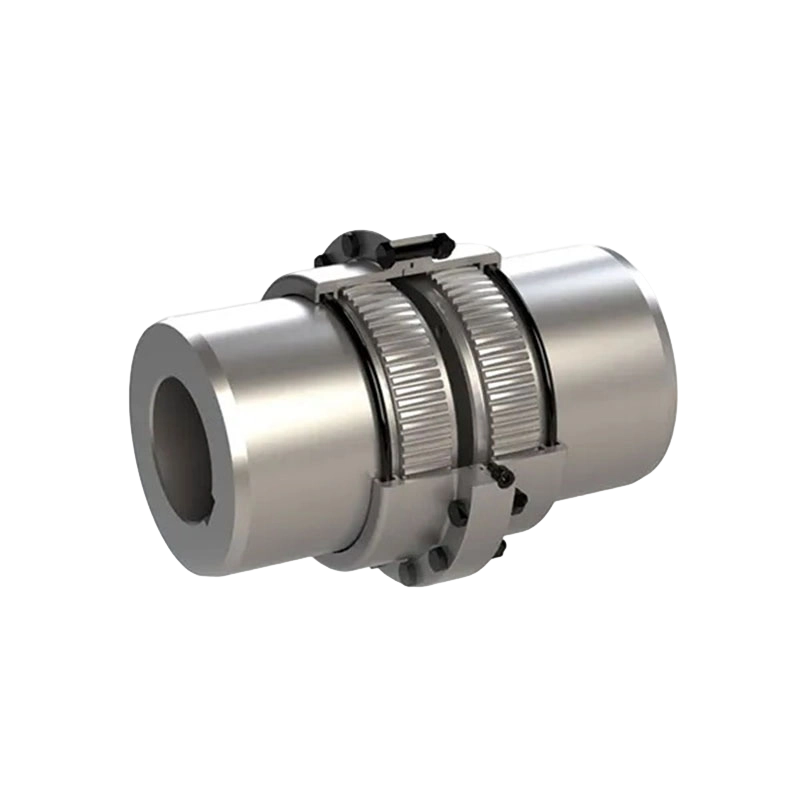
GB Drum gear coupling(Q/YG11001X-2018)
1. The Operating Principle of a Drum Gear Coupling
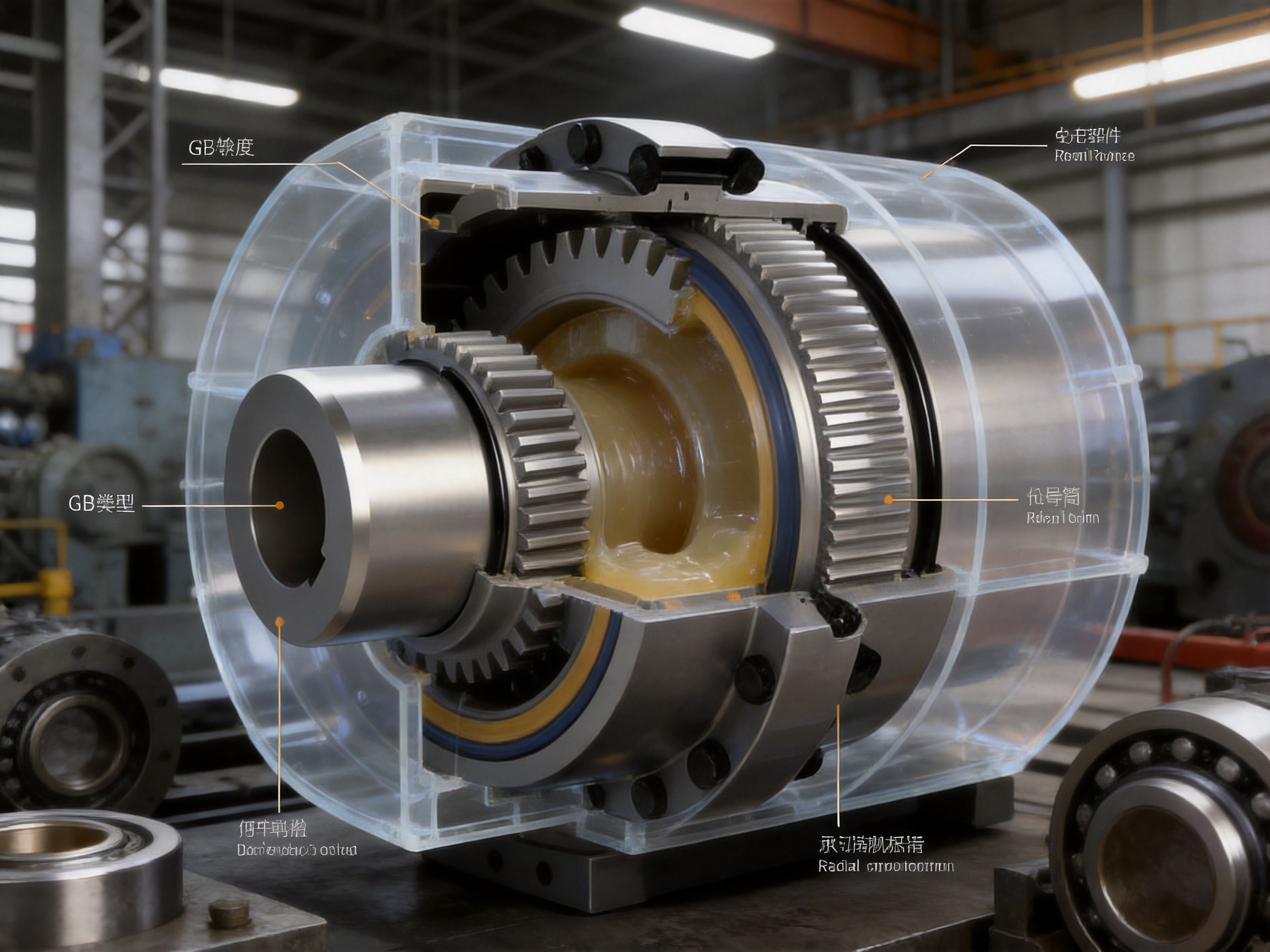
A gear coupling transfers torque through the engagement of gear teeth. The shaft ends are connected to toothed hubs, while sleeves or flanges with matching internal teeth surround the hubs. When the driving shaft rotates, the hub teeth transmit torque through the internal gear teeth of the sleeve to the driven shaft.
Unlike a rigid flange coupling, a drum gear coupling is capable of accommodating limited angular, radial, and axial deviations between connected shafts. The tooth surfaces are shaped with a crowned or drum-like profile. This geometry permits the teeth to remain engaged when the shafts are not perfectly collinear, reducing edge loading and improving the distribution of contact stress.
The coupling does not rely on rubber, polyurethane, or other elastic inserts to transmit torque. This makes it particularly suitable for high-torque systems, high-temperature environments, and applications where resistance to oil, dust, impact, and industrial contamination is important. At the same time, the coupling’s flexible tooth engagement helps protect connected machinery from the harmful effects of minor misalignment.
Proper lubrication is essential. Grease fills the tooth cavities and creates a lubricating film between the mating surfaces. It reduces friction, helps control wear, limits corrosion, and supports long operating intervals. The amount of grease listed for each GB model is an important installation reference, although the final lubricant selection should also consider operating temperature, speed, environmental conditions, and the manufacturer’s maintenance recommendations.
1.1 Why crowned gear teeth are important
In a conventional straight-tooth arrangement, angular misalignment can cause contact to concentrate near the tooth edges. This concentration increases local pressure and may accelerate pitting, scoring, or tooth deformation. The drum-shaped tooth profile provides a curved contact surface that allows the coupling to maintain more favorable contact under permissible misalignment.
The result is a more stable torque path, lower sensitivity to small alignment errors, and improved resistance to uneven wear. The design does not eliminate the need for shaft alignment. Instead, it provides a practical tolerance for operating deviations that cannot always be avoided in large industrial equipment.
1.2 Flexibility without an elastic element
Because the GB coupling uses gear engagement rather than an elastomeric insert, its flexibility should not be confused with shock absorption. The coupling can compensate for permitted shaft displacement, but it is not intended to replace a torsionally soft coupling where significant vibration isolation or torsional damping is required.
Its primary advantages are high torque density, strength, temperature capability, and controlled accommodation of misalignment. For systems such as rolling mills, cranes, conveyors, and large pumps, these characteristics can be more important than the damping capability of an elastic coupling.
2. Main Technical Advantages
2.1 High torque capacity across a complete size range
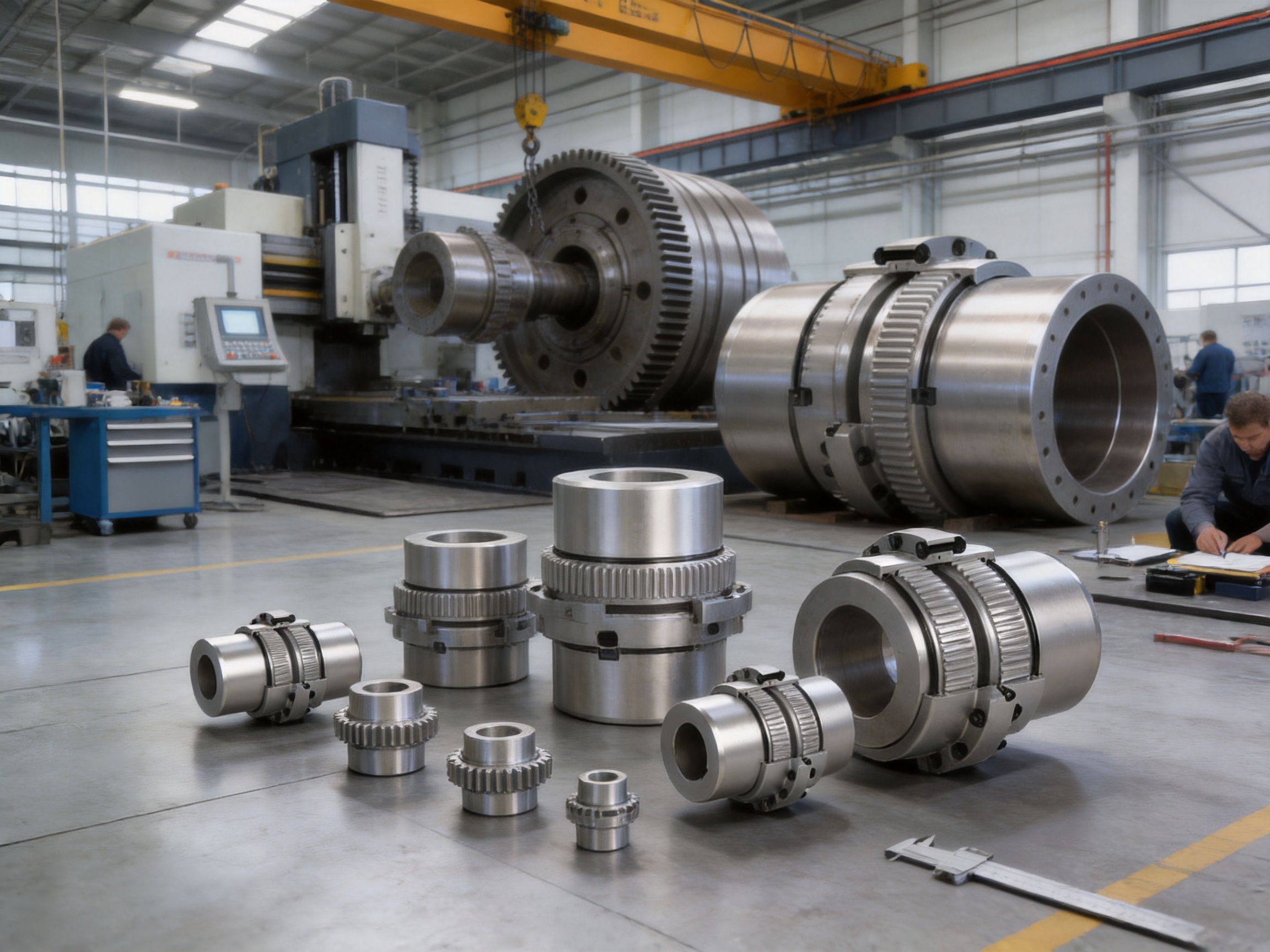
The GB series is designed for applications ranging from compact industrial drives to extremely large heavy-duty systems. GB1 has a nominal torque of 0.63 kilonewton meters, while GB25 reaches 5,600 kilonewton meters. This progression enables the same basic coupling concept to be applied across different equipment classes.
A broad range is valuable for original equipment manufacturers and maintenance departments. It simplifies product selection, supports standardization across a plant, and provides replacement options when an existing coupling reaches the end of its service life. It also allows a designer to avoid selecting an unnecessarily oversized coupling, which can increase inertia, cost, installation difficulty, and bearing loads.
2.2 Resistance to impact and overload conditions
Industrial drives often experience transient loads caused by starting, stopping, material entry, uneven feed, load changes, or emergency operation. Rolling mills and mining machinery can generate particularly severe shock loads. A gear coupling with robust metallic components is able to withstand demanding torque events more effectively than many light-duty coupling designs.
The GB coupling’s heavy construction and precision gear engagement provide a strong mechanical transmission path. When correctly selected with an appropriate service factor, it can support medium-duty, heavy-duty, and impact-loaded applications. The coupling should nevertheless be selected using the actual operating torque, peak torque, starting conditions, duty cycle, speed, alignment, and environmental factors.
2.3 Improved misalignment accommodation
Mechanical systems can experience alignment changes during operation. Thermal expansion, foundation movement, bearing wear, shaft deflection, housing deformation, and installation tolerances may all contribute to angular or radial displacement. A drum gear coupling allows limited movement while maintaining torque transmission.
Its crowned tooth profile reduces the likelihood of severe edge contact under permissible angular misalignment. This helps distribute the load over the working tooth surfaces and can reduce the rate of localized wear. By accommodating controlled misalignment, the coupling can reduce the transmission of excessive reaction forces into connected bearings and machine housings.
2.4 Compact structure and high power density
For a given torque rating, gear couplings can provide substantial power transmission capacity within a relatively compact envelope. This is particularly useful where the distance between shafts is limited or where the coupling must fit inside an existing machine guard.
The compact structure also supports the design of large industrial equipment without requiring an unnecessarily long shaft arrangement. Dimensions such as outside diameter, hub diameter, overall length, shaft hole length, and replacement clearance must be checked during selection. The GB technical table provides the principal dimensions required for preliminary equipment layout and replacement evaluation.
2.5 Suitability for harsh industrial environments
Industrial couplings may be exposed to humidity, dust, scale, water spray, lubricants, corrosive atmospheres, and temperature variation. The GB coupling is designed for industrial service and can be supplied with protective surface treatment intended to improve resistance to corrosion and environmental deterioration.
Protection is most effective when combined with correct sealing, suitable grease, proper installation, and regular inspection. The protective coating should not be regarded as a substitute for maintenance. Seals, covers, fasteners, and lubrication points should be checked periodically, especially in steel plants, mines, ports, and outdoor lifting equipment.
2.6 Reduced vibration caused by manufacturing inaccuracy
A coupling with poor dimensional accuracy can introduce eccentricity, imbalance, and uneven tooth loading. These conditions may increase vibration and accelerate damage to shafts, bearings, gear teeth, and seals. Precision manufacturing and inspection are therefore important to the performance of a large gear coupling.
The GB series is produced with attention to dimensional control, concentricity, tooth geometry, surface condition, and assembly alignment. Accurate manufacturing helps the coupling rotate more smoothly and reduces the possibility that the coupling itself will become a major source of vibration within the drive system.
3. Technical Specifications of the GB Series
The following table summarizes the principal parameters supplied for the GB1 to GB25 range. The allowable speed, shaft dimensions, and mass are reference values for the listed configurations. Final selection should be confirmed against the complete equipment duty and the required shaft connection arrangement.
| Model | Nominal Torque (kN·m) | Allowable Speed (r/min) | Shaft Hole Diameter (mm) | Shaft Hole Length (mm) | Outside Diameter D (mm) | Mass (kg) |
|---|---|---|---|---|---|---|
| GB1 | 0.63 | 6500 | 16–35 | 45 | 103 | 3.0 |
| GB2 | 1.00 | 6000 | 20–45 | 50 | 115 | 4.5 |
| GB3 | 1.60 | 5600 | 22–56 | 63 | 127 | 5.5 |
| GB4 | 2.80 | 5100 | 38–65 | 71 | 149 | 11.3 |
| GB5 | 4.50 | 4600 | 40–75 | 80 | 167 | 15.9 |
| GB6 | 6.30 | 4300 | 45–90 | 90 | 187 | 21.2 |
| GB7 | 8.00 | 4000 | 50–105 | 100 | 204 | 33.1 |
| GB8 | 11.20 | 3700 | 55–115 | 112 | 230 | 42.3 |
| GB9 | 18.00 | 3350 | 60–135 | 125 | 256 | 55.6 |
| GB10 | 25.00 | 3000 | 65–150 | 140 | 287 | 84.4 |
| GB11 | 36.10 | 2700 | 70–175 | 170 | 325 | 138 |
| GB12 | 56.00 | 2450 | 75–200 | 190 | 362 | 213 |
| GB13 | 80.00 | 2200 | 150–225 | 200 | 412 | 269 |
| GB14 | 125 | 2000 | 170–250 | 235 | 462 | 421 |
| GB15 | 195 | 1800 | 190–285 | 260 | 512 | 608 |
| GB16 | 265 | 1600 | 220–320 | 285 | 580 | 799 |
| GB17 | 383 | 1400 | 250–365 | 315 | 644 | 1176 |
| GB18 | 550 | 1210 | 280–400 | 355 | 726 | 1698 |
| GB19 | 800 | 1050 | 300–470 | 400 | 818 | 2249 |
| GB20 | 1120 | 910 | 360–540 | 450 | 928 | 3384 |
| GB21 | 1550 | 800 | 400–600 | 500 | 1022 | 3912 |
| GB22 | 2000 | 700 | 450–680 | 560 | 1134 | 4970 |
| GB23 | 2800 | 610 | 530–770 | 710 | 1282 | 10013 |
| GB24 | 4000 | 500 | 560–850 | 800 | 1428 | 15015 |
| GB25 | 5600 | 420 | 670–1040 | 900 | 1644 | 22381 |
The smaller GB models support high rotational speeds. GB1, for example, has a listed allowable speed of 6,500 revolutions per minute. As model size increases, torque capacity rises while allowable speed decreases. This is a normal characteristic of large couplings, where rotational mass, diameter, balance, tooth loading, and application dynamics become increasingly significant.
The largest models are intended primarily for high-torque, low-speed applications. GB23, GB24, and GB25 are suitable for equipment where enormous torque must be transmitted reliably and rotational speed is comparatively moderate. Their substantial mass and dimensions require appropriate lifting equipment, installation planning, foundation access, and safety procedures.
The listed moment of inertia and mass values are calculated according to the J1 configuration and include the shaft extension. The J1 shaft hole length is recommended in the supplied technical information. Shaft hole options shown in parentheses, where applicable in detailed drawings, should not be used for new designs unless specifically approved.
4. Manufacturing Technology and Quality Control
The performance of a drum gear coupling depends heavily on manufacturing accuracy. Torque capacity alone does not guarantee reliable service. Tooth profile, tooth spacing, concentricity, shaft bore accuracy, heat treatment, surface quality, balance, sealing, and assembly tolerances all influence the final operating result.
4.1 Engineering and product development
Zhongye Heavy Industry Technology integrates research and development, manufacturing, and sales. This integrated structure allows engineering personnel to evaluate the coupling not only as an individual component but also as part of a complete drive system.
During product development, engineers can consider shaft diameter, transmitted power, speed, installation space, misalignment, service factor, ambient conditions, lubrication, and maintenance access. This approach is especially important for non-standard equipment, where the available mounting space or shaft arrangement may differ from a conventional catalog configuration.
The GB series is manufactured according to Q/YG11001X-2018. Applying a defined product standard helps establish consistent requirements for basic dimensions, performance parameters, and manufacturing control. For project applications, customers can also provide drawings, shaft data, operating conditions, or existing coupling information for technical review.
4.2 Heavy machining capability
Large couplings require equipment capable of handling substantial workpiece diameters and masses. The company’s new workshop includes a heavy workshop of approximately 5,500 square meters. This facility supports the production of large components used in heavy-duty coupling assemblies.
Heavy machining capability is important for GB14 through GB25, where sleeves, hubs, flanges, and related components may weigh hundreds or thousands of kilograms. Stable machining conditions help control dimensional deviation and reduce deformation risk during manufacturing. Proper handling and process planning are also essential when producing large rotating components.
4.3 Precision machining
The company also operates a precision workshop of approximately 4,600 square meters. Precision machining is used for the surfaces and features that directly affect coupling performance, including gear teeth, shaft bores, locating shoulders, mounting faces, seal seats, and alignment surfaces.
Gear tooth machining requires careful control of profile, lead, pitch, surface finish, and concentricity. The drum-shaped profile must be produced consistently so that the coupling can accommodate the intended misalignment without creating excessive edge pressure. Precision bore machining is equally important because an inaccurate or eccentric shaft hole can generate vibration and reduce the effectiveness of the coupling.
4.4 Material selection and heat treatment
High-load couplings require materials with adequate strength, toughness, fatigue resistance, and wear resistance. Material selection depends on the component’s function. Hubs and sleeves require reliable torque strength, while tooth surfaces require resistance to repeated contact stress and sliding wear.
Heat treatment may be used to improve hardness, toughness, dimensional stability, or tooth surface durability. The specific material grade and heat-treatment process should be confirmed in the technical documentation for the selected model. Customers with special requirements can discuss material certificates, hardness ranges, inspection records, or other quality documentation before production.
4.5 Inspection and assembly verification
Strict quality control is necessary because coupling components work together as a rotating assembly. Inspection may include dimensional measurement, bore verification, gear tooth inspection, surface examination, hardness testing, runout measurement, balancing checks, and visual inspection of seals and fasteners.
Assembly verification confirms that the hubs, sleeves, covers, seals, and other parts fit correctly and that the final coupling meets the intended configuration. For large couplings, assembly quality is particularly important because field corrections are difficult and costly after the equipment has been installed.
4.6 Testing facilities and production assurance
Zhongye identifies advanced testing facilities, reliable production guarantees, and strict quality control as core company advantages. These capabilities support repeatable production for standard models and provide a foundation for customized coupling projects.
Manufacturing reliability also depends on production planning, process documentation, trained personnel, equipment maintenance, and traceability. The company’s professional team has years of coupling technology experience and serves customers in metallurgy, mining, water equipment, lifting, paper, port, and general industrial applications.
5. Advantages Compared with Alternative Coupling Types
5.1 Compared with rigid couplings
Rigid couplings provide a direct shaft connection with little or no ability to compensate for misalignment. They may be suitable when shafts are accurately aligned and the machine structure remains stable. However, even a small installation error or operating displacement can introduce additional forces into bearings and shafts.
The GB drum gear coupling offers greater tolerance for controlled misalignment while retaining a strong mechanical torque path. This makes it a better choice for large machines where alignment can change because of thermal growth, structural movement, shaft deflection, or heavy operating loads.
5.2 Compared with elastomeric couplings
Elastomeric couplings can provide valuable vibration damping and torsional flexibility. However, their performance may be affected by temperature, chemical exposure, aging, ultraviolet radiation, and repeated shock loading. Their elastic elements may also require periodic replacement.
The GB coupling does not use a non-metallic elastic insert for torque transmission. Its metallic gear construction is better suited to high torque, high temperature, and severe industrial environments. It is especially advantageous when the priority is durable power transmission rather than maximum torsional damping.
5.3 Compared with metal elastic-element couplings
Diaphragm, disc, grid, and other metal elastic-element couplings can accommodate misalignment and may operate without grease in certain designs. They are often selected for high-speed or precision applications. Nevertheless, their load capacity, axial movement capability, and sensitivity to installation conditions vary according to design.
A drum gear coupling is often preferred for very high torque and heavy impact duties. Its gear teeth provide a large torque-transmitting contact area, while its robust housing and lubrication system support demanding industrial service. The final choice should be based on speed, torsional requirements, misalignment type, maintenance philosophy, and available installation space.
5.4 Compared with smaller general-purpose gear couplings
Some general-purpose gear couplings are designed mainly for light or moderate industrial service. The GB range extends into very large torque ratings and shaft sizes, making it suitable for heavy machinery that exceeds the capacity of smaller standard designs.
The complete GB1 to GB25 range also gives customers a consistent selection platform. A plant may use smaller models in auxiliary machinery and larger models in primary drives while maintaining a familiar coupling principle, lubrication approach, and inspection method.
6. Application Areas
6.1 Steel rolling mills and metallurgical equipment
Rolling mills impose demanding requirements on coupling systems. Drives may experience high torque, repeated acceleration, impact loads, vibration, and changes in alignment caused by large mechanical structures. A coupling failure can interrupt production and create substantial maintenance costs.
The GB drum gear coupling is suitable for power transmission in rolling mill drives, auxiliary mill equipment, material transfer machinery, and other metallurgical systems. Its high torque capacity, rugged construction, and ability to accommodate controlled misalignment help support continuous operation.
6.2 Mining machinery
Mining equipment often operates in dusty, humid, abrasive, and remote environments. Crushers, conveyors, hoists, feeders, and processing machinery may encounter irregular material loads and severe starting conditions.
The metallic construction of the GB coupling provides a strong solution for these conditions. Appropriate sealing and grease protection are important to prevent contaminants from entering the gear mesh. The correct model should be chosen based on the motor rating, reduction ratio, peak load, starting method, and expected service factor.
6.3 Cranes and lifting equipment
Lifting equipment requires dependable torque transmission during starting, stopping, reversing, and positioning. The coupling may be installed between motors, gear reducers, drums, wheels, or other drive components.
GB couplings can support smooth power delivery in crane and lifting mechanisms when correctly sized and installed. Particular attention should be paid to braking torque, emergency stopping, shaft alignment, and inspection access. Any lifting application must also comply with applicable safety regulations and equipment-specific requirements.
6.4 Conveyors and material handling systems
Long conveyors and heavy-duty material handling systems often operate continuously. They may experience variable loading, belt starting resistance, and changes in shaft position. A coupling with adequate torque capacity and controlled misalignment compensation can improve drive reliability.
The GB range includes sizes for both moderate conveyor drives and very large material handling systems. The selection should account for belt tension, starting torque, operating speed, duty cycle, ambient contamination, and the possibility of reverse rotation or frequent starts.
6.5 Pumps and compressors
Large pumps and compressors require couplings that can transmit continuous power while maintaining stable rotation. Misalignment may occur because of thermal effects, pipe loads, foundation movement, or changes in bearing condition.
For these applications, the GB coupling provides a robust mechanical connection and may be used where torque and environmental resistance are more important than torsional damping. Engineers should verify critical speed, balance, allowable speed, lubrication, and the effects of coupling inertia on motor starting and system dynamics.
6.6 Paper machinery
Paper production equipment includes rollers, dryers, winders, conveyors, pumps, and auxiliary drives. Some sections require high rotational speed and stable operation, while others demand high torque at lower speed.
The smaller GB models offer high allowable speeds, whereas larger models provide high torque for heavy-duty sections. Proper balance, alignment, and lubrication are particularly important in paper machinery because production quality may be affected by vibration or speed variation.
6.7 Port and outdoor handling equipment
Port machinery is exposed to humidity, salt-laden air, rain, dust, and variable loading. Cranes, unloaders, conveyors, stackers, reclaimers, and hoisting systems may require high-strength coupling solutions.
The GB coupling can be configured with protective surface treatment and suitable sealing for harsh environments. Maintenance planning should include periodic grease renewal, corrosion inspection, seal inspection, and verification of fastener condition.
7. Coupling Selection Guide
7.1 Calculate the required torque
Selection should begin with the actual transmitted power and operating speed. The basic running torque can be estimated from power and speed, but the final selection must include a service factor. Starting, braking, impact, reversing, load fluctuation, and operating temperature may all increase the required coupling rating.
For an application with substantial impact or repeated starts, selecting a coupling only slightly above the calculated running torque may be insufficient. The required nominal torque should be compared with the GB model rating after considering the complete duty cycle.
7.2 Check the operating speed
The allowable speed listed for each model must not be exceeded. Coupling diameter, mass distribution, balance, shaft arrangement, and installation accuracy influence safe rotational speed. Smaller models generally permit higher speeds, while the largest models are intended for lower-speed, high-torque service.
Where the operating speed approaches the listed limit, additional review may be necessary. This can include dynamic balance, critical-speed analysis, guard clearance, lubrication suitability, and verification of the complete rotating assembly.
7.3 Confirm shaft hole dimensions
The shaft hole diameter range and shaft hole length must match the connected shafts. The shaft extension, keyway, interference fit, shrink fit, locking arrangement, and axial positioning should all be reviewed before ordering.
The technical information recommends the J1 shaft hole length. If a different shaft hole arrangement is required, the customer should provide a shaft drawing or detailed dimensions. New designs should avoid shaft hole options identified as unsuitable for new designs in the technical notes.
7.4 Evaluate misalignment
The coupling should be selected according to the actual angular, radial, and axial movement expected in service. Allowable misalignment is not unlimited, and excessive displacement can create rapid tooth wear, overheating, seal damage, and vibration.
Good installation alignment remains essential. The coupling should be treated as a component that accommodates normal operating movement, not as a solution for poor foundation construction or careless assembly.
7.5 Consider the environment
Temperature, dust, water, chemicals, corrosive gases, outdoor exposure, and washdown conditions affect the coupling and its lubricant. The appropriate surface protection, sealing arrangement, grease type, and inspection interval should be determined during selection.
For special environments, customers should discuss the application with the manufacturer. Zhongye supports customized coupling design and can evaluate non-standard dimensions, materials, coatings, connection forms, and other requirements.
8. Installation and Maintenance Recommendations
Before installation, inspect all coupling components for transport damage, corrosion, contamination, burrs, and dimensional problems. Confirm the model, shaft hole dimensions, keyway arrangement, rotation direction, and installation orientation.
Shafts should be cleaned and checked for correct diameter, runout, key fit, and surface condition. The connected machines should be aligned according to the equipment manufacturer’s requirements. Soft foot, bearing movement, foundation distortion, and pipe loads should be corrected before final coupling alignment.
Gear teeth and internal cavities should be cleaned before applying the specified grease. The grease must be compatible with the coupling seals and suitable for the operating temperature and speed. Filling too little grease can increase wear, while filling excessively may cause churning and unnecessary temperature rise.
After assembly, rotate the shaft manually where practical to confirm that there is no interference or abnormal resistance. Guards must be installed before operation. The initial operating period should include an inspection for abnormal noise, vibration, temperature rise, grease leakage, loose fasteners, and seal damage.
Maintenance intervals depend on speed, load, environment, operating hours, and coupling size. Routine checks should include tooth wear, grease condition, seal integrity, cover condition, corrosion, shaft movement, and fastener tightness. In dusty or wet environments, inspection may need to be more frequent than in a clean, enclosed installation.
When unusual vibration or noise appears, the coupling should not simply be regreased without investigation. Possible causes include misalignment, shaft bending, bearing failure, loose foundation bolts, excessive torque, tooth wear, imbalance, insufficient clearance, or damage to the connected machine.
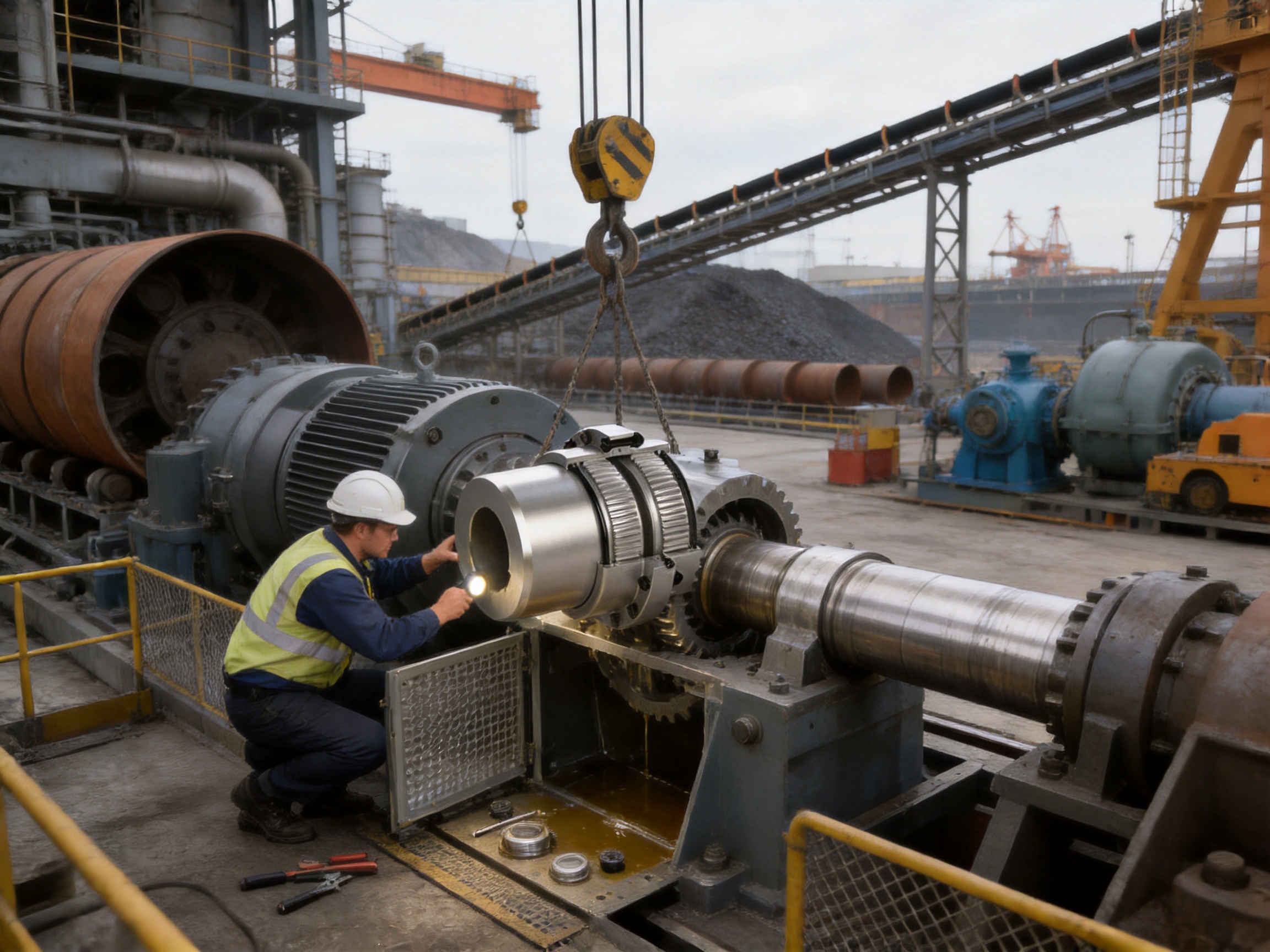
Large GB couplings require careful maintenance planning because their mass can make removal difficult. Proper lifting equipment, lockout procedures, support fixtures, and trained personnel should be used during disassembly and replacement.
9. Customization and Engineering Support
Industrial equipment often requires coupling dimensions that are not available in a basic catalog configuration. Shaft diameters may be unusual, the distance between shafts may be restricted, or the coupling may need to connect to a special flange, brake disc, drum, gearbox, or rolling-mill spindle.
Zhongye Heavy Industry Technology undertakes the design and manufacture of non-standard couplings. Customization may involve bore dimensions, shaft hole length, keyways, flange details, sealing arrangements, materials, surface treatment, balance requirements, or special environmental protection.
To evaluate a custom project efficiently, the customer should provide motor power, operating speed, nominal torque, peak torque, shaft diameters, shaft extension lengths, keyway details, axial movement, angular and radial misalignment, ambient conditions, installation space, duty cycle, and maintenance preferences.
Engineering support before production can reduce the risk of incorrect selection. It also helps ensure that the final coupling can be installed, lubricated, inspected, and removed within the available machine space.
10. Company Manufacturing Strengths
Zhongye Heavy Industry Technology (Zhenjiang) Co., Ltd. is located in Zhenjiang, Jiangsu Province, China. The company integrates research and development, manufacturing, and sales, with products used in metallurgical equipment, mining machinery, water equipment, lifting equipment, paper machinery, port equipment, and other industrial fields.
Its product portfolio includes toothed couplings, elastic sleeve pin couplings, elastic pin couplings, gear couplings with elastic pins, universal couplings, tire couplings, jaw couplings, star couplings, diaphragm couplings, drum couplings, grid couplings, Oldham couplings, flange couplings, clamp-shell couplings, roller chain couplings, safety couplings, and customized coupling solutions.
The company’s new workshop covers approximately 16,463.52 square meters. It includes a heavy workshop, precision workshop, office and gymnasium facilities, dining facilities, warehouse space, roads, greenery, and parking areas. This organized production environment supports the manufacture of both standard and large-scale coupling components.
The company emphasizes strong research and development, reliable production guarantees, advanced testing facilities, strict quality control, complete product specifications, customization support, technical assistance before sale, non-standard design solutions, and after-sales service. Its products are also stated to comply with international standards and certifications such as ISO 9001.
For customers purchasing critical transmission components, manufacturing capability is as important as the published torque rating. A supplier with heavy machining resources, precision production capability, technical experience, and inspection systems can offer more dependable support throughout product selection, manufacture, installation, and service.
11. Total Cost of Ownership
The purchase price is only one part of coupling cost. Downtime, emergency maintenance, replacement labor, damage to connected equipment, lubricant consumption, spare-parts inventory, and installation complexity can have a greater effect on the total cost of ownership.
The GB coupling is designed to reduce avoidable operating costs through robust construction, long maintenance intervals, broad model availability, and serviceability. Its gear-based torque transmission avoids the periodic replacement of certain elastomeric elements, although gear teeth, seals, and lubricant still require inspection and maintenance.
Standardized models can simplify spare-parts planning. A plant using several GB couplings can establish common procedures for inspection, grease handling, alignment, and replacement. The range from GB1 to GB25 also makes it possible to select a closer-fitting model rather than relying on one oversized coupling for every application.
Correct selection remains the most important cost-control measure. A coupling that is too small may suffer premature failure, while one that is excessively large may impose unnecessary weight, inertia, cost, and installation requirements. Technical consultation before purchase can help balance reliability and economy.
12. Safety Considerations
Gear couplings are rotating machine components and must always be protected by a suitable guard. Personnel should never approach an exposed rotating coupling during operation. Maintenance must be performed only after the drive has been shut down, isolated, locked out, and verified to be unable to start unexpectedly.
Large couplings can store mechanical energy and may be connected to elevated or suspended equipment. Before removal, the shafts and connected components should be adequately supported. Lifting points, slings, cranes, and handling procedures must be suitable for the coupling mass.
Safety considerations also include lubricant handling, hot surfaces, sharp edges, pinch points, and possible movement caused by shaft release. Installation and maintenance should be performed by qualified personnel using the equipment manufacturer’s instructions and applicable industrial safety requirements.
13. Frequently Asked Questions
What is a GB drum gear coupling?
It is a flexible coupling with non-elastic elements that transmits torque through the engagement of metallic internal and external gear teeth. Its crowned tooth profile permits limited shaft misalignment while maintaining a strong mechanical connection.
What standard does this coupling follow?
The product is identified according to Q/YG11001X-2018. Customers should request the applicable technical drawing and configuration details for the exact model and application.
What is the torque range of the GB series?
The GB1 to GB25 series covers nominal torque ratings from 0.63 kilonewton meters to 5,600 kilonewton meters.
What shaft sizes are available?
The listed shaft hole diameter range extends from 16 millimeters to 1,040 millimeters. Shaft hole lengths range from 45 millimeters to 900 millimeters, depending on the model.
Can the coupling operate at high speed?
Yes, smaller models support high rotational speeds. The listed maximum allowable speed is 6,500 revolutions per minute for GB1. Allowable speed decreases as coupling size and torque capacity increase, so the selected model must be checked against the actual operating speed.
Does the coupling eliminate the need for alignment?
No. It accommodates permitted operating misalignment, but accurate installation alignment remains necessary. Excessive angular, radial, or axial displacement can cause accelerated tooth and seal wear.
Does it require lubrication?
Yes. The gear teeth require suitable grease to reduce friction and wear and to protect the working surfaces. The grease type, filling quantity, sealing arrangement, and maintenance interval should be selected according to the operating conditions.
Is it suitable for impact-loaded equipment?
It is designed for robust industrial power transmission and can be suitable for impact-loaded equipment when correctly selected. The application’s peak torque, starting condition, braking load, and service factor must be reviewed before final selection.
What industries use this coupling?
Typical applications include steel rolling mills, metallurgy, mining, cranes, lifting equipment, conveyors, pumps, compressors, paper machinery, port equipment, and other heavy industrial systems.
Can non-standard versions be manufactured?
Yes. Zhongye Heavy Industry Technology provides customized and non-standard coupling design and manufacturing. Customers should submit shaft, torque, speed, space, environmental, and connection information for engineering evaluation.
How should a coupling be selected for replacement?
Do not select only by outside diameter or shaft bore. Confirm the nominal and peak torque, speed, shaft dimensions, overall length, flange arrangement, misalignment, lubrication requirements, and available installation clearance. The existing coupling drawing and operating history are useful references.
Why choose a drum gear coupling instead of an elastic coupling?
A drum gear coupling is often preferred where high torque, impact resistance, temperature capability, metallic strength, and compact power transmission are priorities. An elastic coupling may be more appropriate when torsional damping and vibration isolation are the primary requirements.
14. Conclusion
The GB drum gear coupling is a high-capacity solution for industrial shaft connection and power transmission. Its crowned gear geometry accommodates controlled misalignment, while its metallic construction provides strength, durability, and resistance to severe operating conditions. With 25 models covering a wide range of torque, speed, shaft diameter, and physical dimensions, the series can support applications from compact machinery to extremely large heavy-duty drives.
Its advantages over competing coupling categories include high torque density compared with many general-purpose designs, greater misalignment capability than rigid couplings, improved resistance to heat and impact compared with many elastomeric couplings, and strong heavy-duty performance compared with smaller standard gear couplings.
Reliable service depends on more than the coupling itself. Correct torque and speed selection, accurate alignment, suitable lubrication, adequate sealing, regular inspection, and proper safety procedures are essential. The manufacturing resources of Zhongye Heavy Industry Technology, including heavy and precision workshops, research and development capability, testing facilities, quality control, and customization support, provide a strong foundation for dependable industrial coupling supply.
For standard replacement projects and custom transmission systems alike, the GB series offers a practical combination of mechanical strength, specification flexibility, maintainability, and industrial adaptability.
References
1. Q/YG11001X-2018, GB-Type Drum Gear Coupling Product Standard and Technical Parameters.
2. GB-Type Drum Gear Coupling Basic Parameters and Main Dimensions, manufacturer-supplied technical table.
3. Industrial Gear Coupling Design Principles, including gear tooth engagement, crowned tooth geometry, alignment, lubrication, and maintenance practices.
4. ISO 9001 Quality Management Systems, principles for manufacturing process control and quality assurance.
5. Industrial Machinery Coupling Selection Guidelines, including torque calculation, service factors, speed verification, shaft fit, and operating environment assessment.
6. Heavy-Duty Power Transmission Maintenance Practices, including lubrication management, alignment inspection, vibration monitoring, and rotating equipment safety.
Product: GB Drum gear coupling(Q/YG11001X-2018)

- Quick Links
- About
- Products
- Our Service
- News & Events
- Contact
- Products Series
- Flexible Couplings with Non-Elastic Elements
- Flexible Couplings with Metal Elastic Elements
- Flexible Couplings with Non-Metallic Elastic Elements
- Safety Coupling
- Rigid Coupling
- Contact Us
- Tel : +86 511 8572 3800 +86 511 8572 3900
- Mobile : +86 15106109009
- Email : sales@couplingzy.com
- Add:No.1 Zhongye Yingbin Avenue, Gaozi Street, Dantu Economic Development Zone, Zhenjiang City, Jiangsu Province, China.


