:+86 15106109009
:sales@couplingzy.com


 English
 русский
 Español
 عربى
 Português
 Deutsch
 Türk
 Indonesia


SWC-WF Large-Size Flangeless Universal Coupling for Heavy-Duty Transmission Systems
Content
- 1 Product Overview
- 2 Core Design Characteristics
- 3 Technical Performance and Specification Range
- 4 Dimensional Configuration
- 5 Advantages Over Conventional and Competing Coupling Solutions
- 6 Application Areas
- 7 Manufacturing Strengths and Production Capability
- 8 Customization and Non-Standard Design
- 9 Selection Guidelines
- 10 Installation and Maintenance Considerations
- 11 Operational Reliability
- 12 Why Work with an Integrated Coupling Manufacturer?
- 13 Frequently Asked Questions
- 13.1 What is the SWC-WF coupling used for?
- 13.2 What does “without expansion flange” mean?
- 13.3 What angular misalignment can the coupling accommodate?
- 13.4 What is the maximum torque capacity?
- 13.5 Is the SWC-WF coupling an elastic coupling?
- 13.6 How should the correct model be selected?
- 13.7 Can the coupling be customized?
- 13.8 What industries does the manufacturer serve?
- 13.9 Does the product require regular maintenance?
- 13.10 Why is torsional stiffness important?
- 14 Conclusion
- 15 References
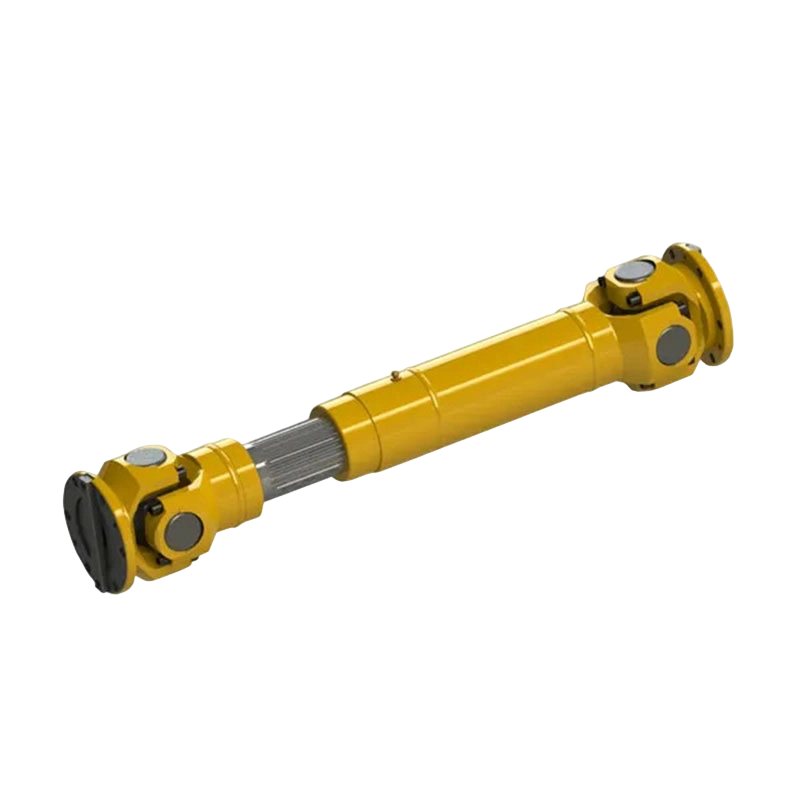
- 16 Product: SWC-WF type large size universal coupling without expansion flange
Reliable torque transmission is one of the most important requirements in metallurgical machinery, mining equipment, large lifting systems, and other heavy industrial applications. These installations commonly operate under high loads, long duty cycles, vibration, changing operating conditions, and difficult maintenance environments. A coupling used in such systems must do more than connect two shafts. It must transmit torque continuously, accommodate angular misalignment, control internal stress, protect connected equipment, and maintain stable performance over an extended service life.
The SWC-WF type large-size universal coupling without expansion flange is designed for precisely these demanding conditions. It belongs to the category of flexible couplings with non-elastic elements and uses a universal-joint configuration to transmit power between shafts that operate with a fixed shaft spacing and an angular relationship. Its flangeless structural arrangement increases torsional stiffness while maintaining the angular compensation capability required by large industrial drives.
Available in rotation diameters from 620 mm to 1200 mm, the series covers a broad range of heavy-duty transmission requirements. Depending on the selected model and working angle, nominal torque reaches as high as 12,000 kN·m, while fatigue torque reaches up to 7,200 kN·m. These characteristics make the coupling suitable for continuous and intermittent applications where high load capacity, dependable alignment compensation, and structural durability are essential.
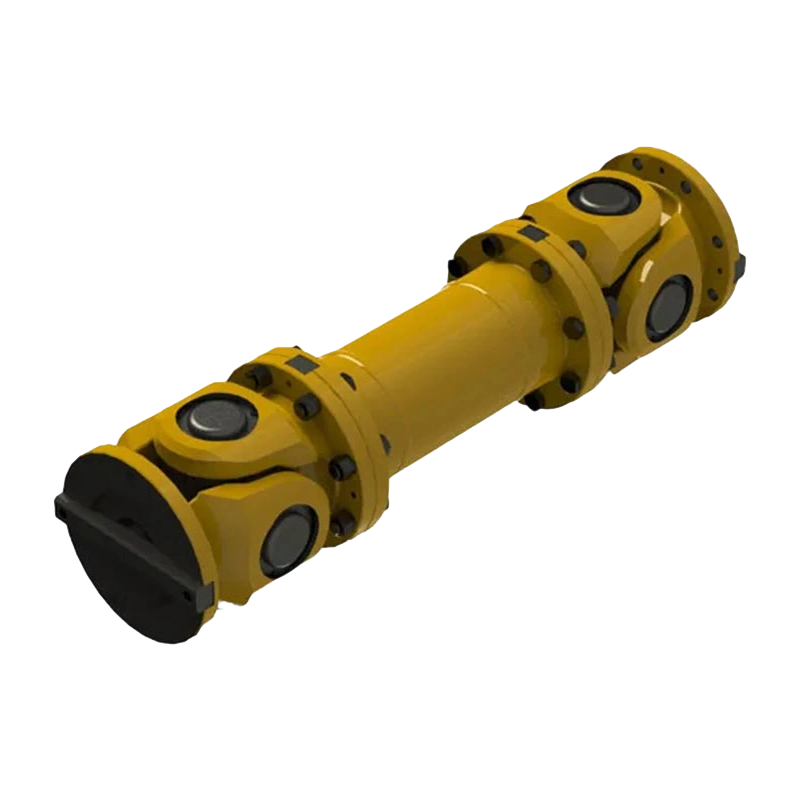
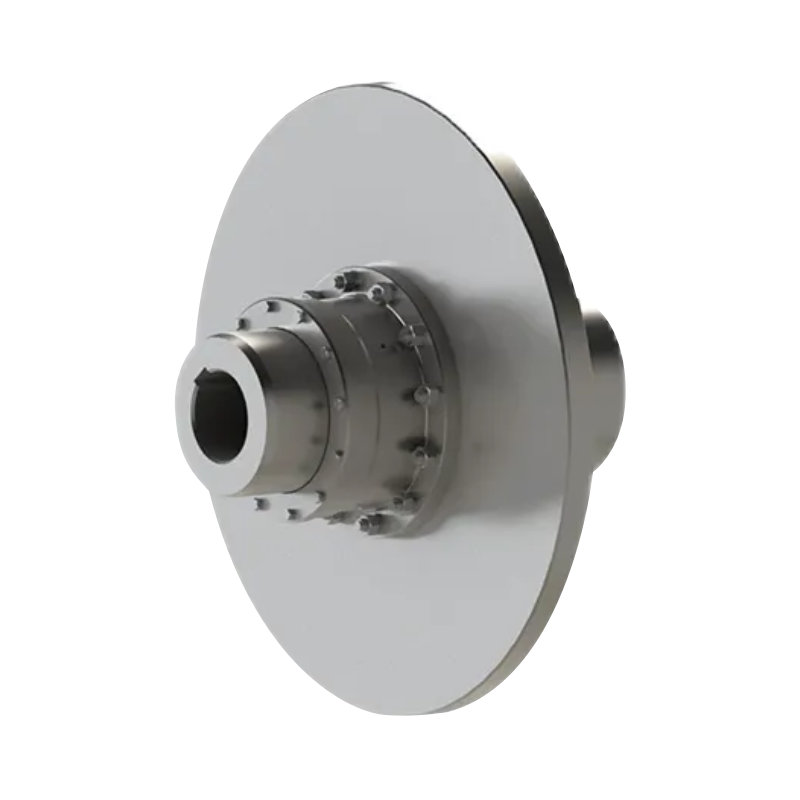
SWC-WF type large size universal coupling without expansion flange
Product Overview
The SWC-WF series is a large-size universal coupling developed for transmission systems in which the distance between shafts is fixed and the coupling must accommodate an angular offset. Unlike a conventional rigid connection, the universal-joint structure allows the connected shafts to operate at a defined angle while maintaining the transfer of rotary power.
The product is described as a flangeless universal coupling because its configuration does not rely on an expansion flange arrangement. This creates a compact and structurally efficient transmission solution. The absence of an expansion flange can reduce unnecessary structural complexity, improve torsional stiffness, and simplify integration into equipment where installation space is limited.
The series is available in several size designations: SWC620WF, SWC680WF, SWC740WF, SWC780WF, SWC840WF, SWC920WF, SWC1000WF, SWC1100WF, and SWC1200WF. The number in each model generally corresponds to the rotation diameter in millimeters. As the model size increases, the coupling provides progressively higher torque capacity, larger shaft and connection dimensions, and greater fatigue resistance.
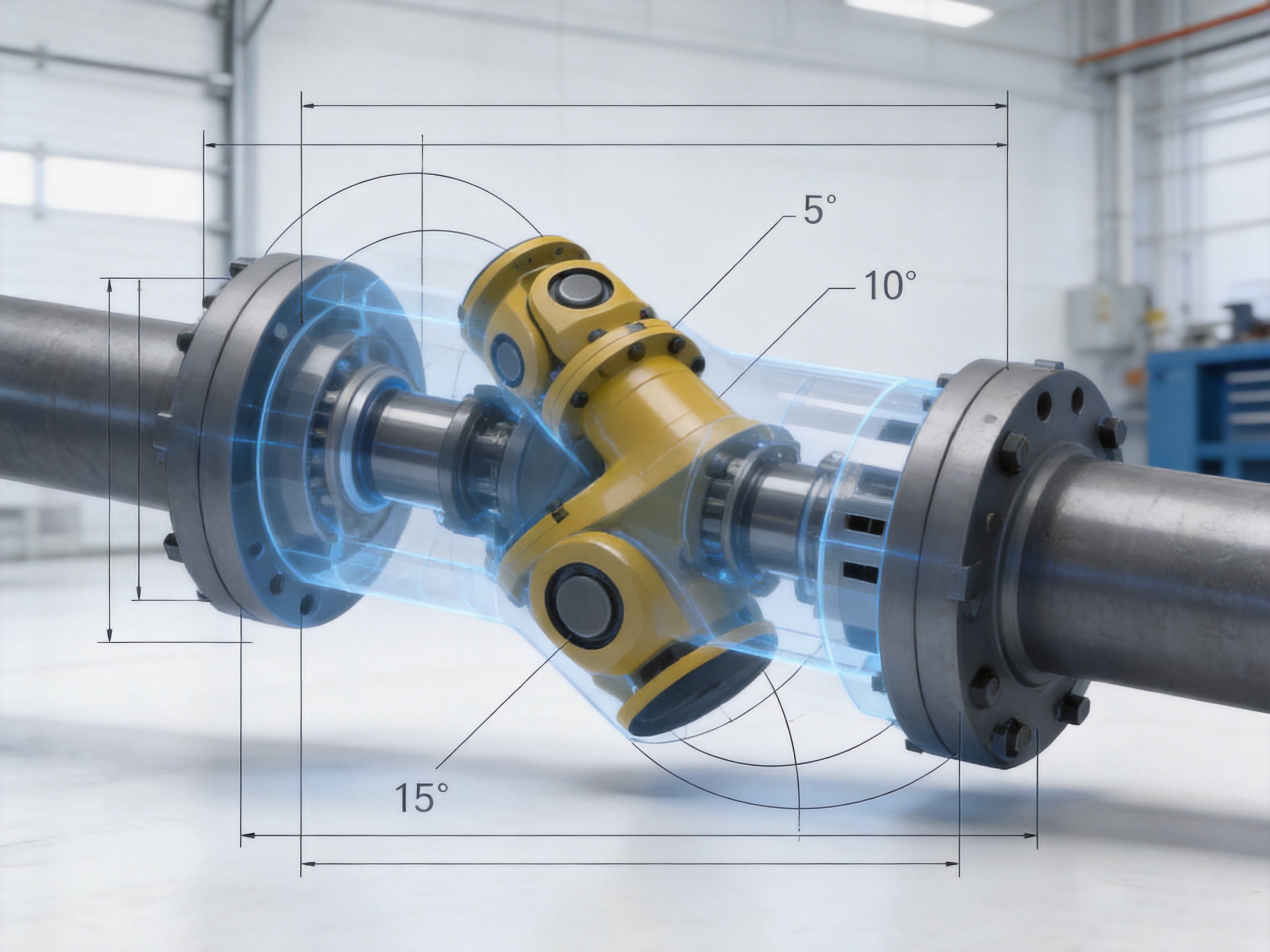
The operating axis angle can be selected at 5°, 10°, or 15°. The permitted angle has a direct relationship with the coupling’s geometry, bearing life factor, and dimensional configuration. For this reason, the correct model should always be selected according to the actual operating angle, transmitted torque, speed, load pattern, installation space, and service conditions.
Core Design Characteristics
Flangeless Construction
The flangeless design is one of the most important characteristics of the SWC-WF series. A coupling designed without an expansion flange can provide a more direct power-transmission path and a compact envelope. This is particularly valuable in rolling mills, crushers, hoists, and other machines where large structural components must fit into restricted spaces.
By reducing unnecessary flange-related components, the design can also simplify system layout and reduce the number of interfaces that need to be aligned during installation. A simpler arrangement may contribute to easier inspection, reduced assembly time, and improved accessibility for maintenance personnel.
Universal-Joint Power Transmission
The universal-joint configuration enables torque transmission between shafts positioned at an angular offset. In a large industrial machine, perfect coaxial alignment is not always practical. Shaft positions may be separated by a fixed distance, or a driven component may move through a defined working angle. The universal coupling provides the flexibility required to accommodate this arrangement without using a soft elastic element.
The SWC-WF series is engineered for axis angles of 5°, 10°, and 15°. These angles cover a wide range of industrial transmission layouts. At a lower angle, the coupling typically offers the highest dimensional efficiency and favorable bearing-life characteristics. At higher angles, the coupling can continue to operate while providing the angular flexibility necessary for more demanding shaft arrangements.
High Torsional Stiffness
Compared with couplings that rely on highly flexible elastic materials, a universal coupling with non-elastic elements provides a firm mechanical connection. The flangeless construction further supports high torsional stiffness. High stiffness is important where accurate torque transmission, rapid response, and minimized torsional deflection are required.
A stiff coupling can help maintain the relationship between the driving and driven shafts. It can also reduce energy losses associated with excessive deformation. In heavy equipment, this contributes to effective transmission of high torque and helps the machine respond consistently to changes in load.
Angular Misalignment Compensation
Operating angles from 5° to 15° allow the SWC-WF series to compensate for significant angular misalignment. This capability is especially useful in equipment with long transmission lines, movable components, elevated machinery, or shafts that cannot be positioned on one exact centerline.
Angular compensation should not be interpreted as permission to disregard installation accuracy. Correct shaft positioning remains essential. The coupling is designed to accommodate a defined operating angle, not to compensate for uncontrolled assembly errors, excessive radial displacement, or improperly supported shafts. Proper alignment and structural support are necessary to obtain the expected service life.
High Load-Bearing Capacity
The large dimensions and robust mechanical configuration of the SWC-WF series allow it to transmit very high torque. The range begins with the SWC620WF at a nominal torque of 1,600 kN·m and extends to the SWC1200WF at 12,000 kN·m. This makes the series appropriate for heavy machines that would exceed the capacity of ordinary shaft couplings.
The fatigue torque values are also substantial. Depending on the model and working angle, fatigue torque ranges from 730 kN·m for the smaller angle-specific configuration of the SWC620WF to 7,200 kN·m for the SWC1200WF at 5°. These figures indicate the series’ suitability for repeated loading and demanding industrial duty cycles when properly selected and installed.
Technical Performance and Specification Range
The following table summarizes the principal specifications of the SWC-WF series. Some models have different dimensional and bearing-life values at 5°, 10°, and 15°. The figures should be used as a preliminary selection reference. Final engineering selection should consider the complete operating profile of the machine.
| Model | Rotation Diameter D (mm) | Nominal Torque Tn (kN·m) | Fatigue Torque Tf at 5° (kN·m) | Axis Angles | Approximate Bearing Life Factor at 5° |
| SWC620WF | 620 | 1,600 | 960 | 5°, 10°, 15° | 0.21 × 10⁶ |
| SWC680WF | 680 | 2,180 | 1,310 | 5°, 10°, 15° | 0.51 × 10⁶ |
| SWC740WF | 740 | 2,800 | 1,680 | 5°, 10°, 15° | 1.18 × 10⁶ |
| SWC780WF | 780 | 3,300 | 1,980 | 5°, 10°, 15° | 1.73 × 10⁶ |
| SWC840WF | 840 | 4,100 | 2,460 | 5°, 10°, 15° | 3.63 × 10⁶ |
| SWC920WF | 920 | 5,390 | 3,230 | 5°, 10°, 15° | 9.02 × 10⁶ |
| SWC1000WF | 1,000 | 6,900 | 4,140 | 5°, 10°, 15° | 18.2 × 10⁶ |
| SWC1100WF | 1,100 | 9,200 | 5,500 | 5°, 10°, 15° | 46.0 × 10⁶ |
| SWC1200WF | 1,200 | 12,000 | 7,200 | 5°, 10°, 15° | 110 × 10⁶ |
The bearing-life factor changes according to the working angle. For example, the SWC1200WF has a listed factor of 110 × 10⁶ at 5°, 94 × 10⁶ at 10°, and 74 × 10⁶ at 15°. Similarly, the SWC1000WF has factors of 18.2 × 10⁶, 15.3 × 10⁶, and 12.2 × 10⁶ at the three respective angles. These values reflect the engineering effect of angular operation on the internal load conditions of a universal coupling.
For the SWC620WF, the nominal torque is 1,600 kN·m, with fatigue torque of 960 kN·m at 5°, 840 kN·m at 10°, and 730 kN·m at 15°. At the other end of the range, the SWC1200WF provides 12,000 kN·m nominal torque and fatigue torque values of 7,200 kN·m, 6,240 kN·m, and 5,400 kN·m at 5°, 10°, and 15° respectively.
Dimensional Configuration
The dimensional arrangement of the SWC-WF coupling includes minimum length, shaft-hole dimensions, connection dimensions, mounting-hole patterns, and key dimensions. These features allow the coupling to be matched to the mechanical layout of large industrial equipment.
For the SWC620WF, the listed minimum length is 2,140 mm at 5°, 2,220 mm at 10°, and 2,260 mm at 15°. The corresponding shaft-related dimensions include D1 of 575 mm, 500 mm, and 480 mm, and D2 values of 325 mm, 345 mm, and 355 mm according to the specified dimensional arrangement. The mounting pattern is 20 × φ26, with a key dimension of 70 mm.
As the size increases, the coupling’s overall dimensions and connection patterns also increase. The SWC840WF, for example, has a mounting pattern of 24 × φ39 and a key dimension of 100 mm. The SWC1200WF uses a 20 × φ52 mounting pattern and a key dimension of 150 mm. These larger interfaces are designed for the high forces generated by the largest coupling sizes.
| Model | Minimum Length Range by Angle (mm) | Typical Mounting Pattern | Key Dimension k (mm) | Nominal Torque Range (kN·m) |
| SWC620WF | 2,140–2,260 | 20 × φ26 | 70 | 1,600 |
| SWC680WF | 2,250–2,390 | 24 × φ26 | 70 | 2,180 |
| SWC740WF | 2,500–2,660 | 24 × φ33 | 80 | 2,800 |
| SWC780WF | 2,600–2,800 | 24 × φ33 | 90 | 3,300 |
| SWC840WF | 2,840–2,980 | 24 × φ39 | 100 | 4,100 |
| SWC920WF | 3,020–3,180 | 24 × φ39 | 110 | 5,390 |
| SWC1000WF | 3,270–3,430 | 20 × φ45 | 125 | 6,900 |
| SWC1100WF | 3,660–3,840 | 20 × φ45 | 135 | 9,200 |
| SWC1200WF | 3,930–4,110 | 20 × φ52 | 150 | 12,000 |
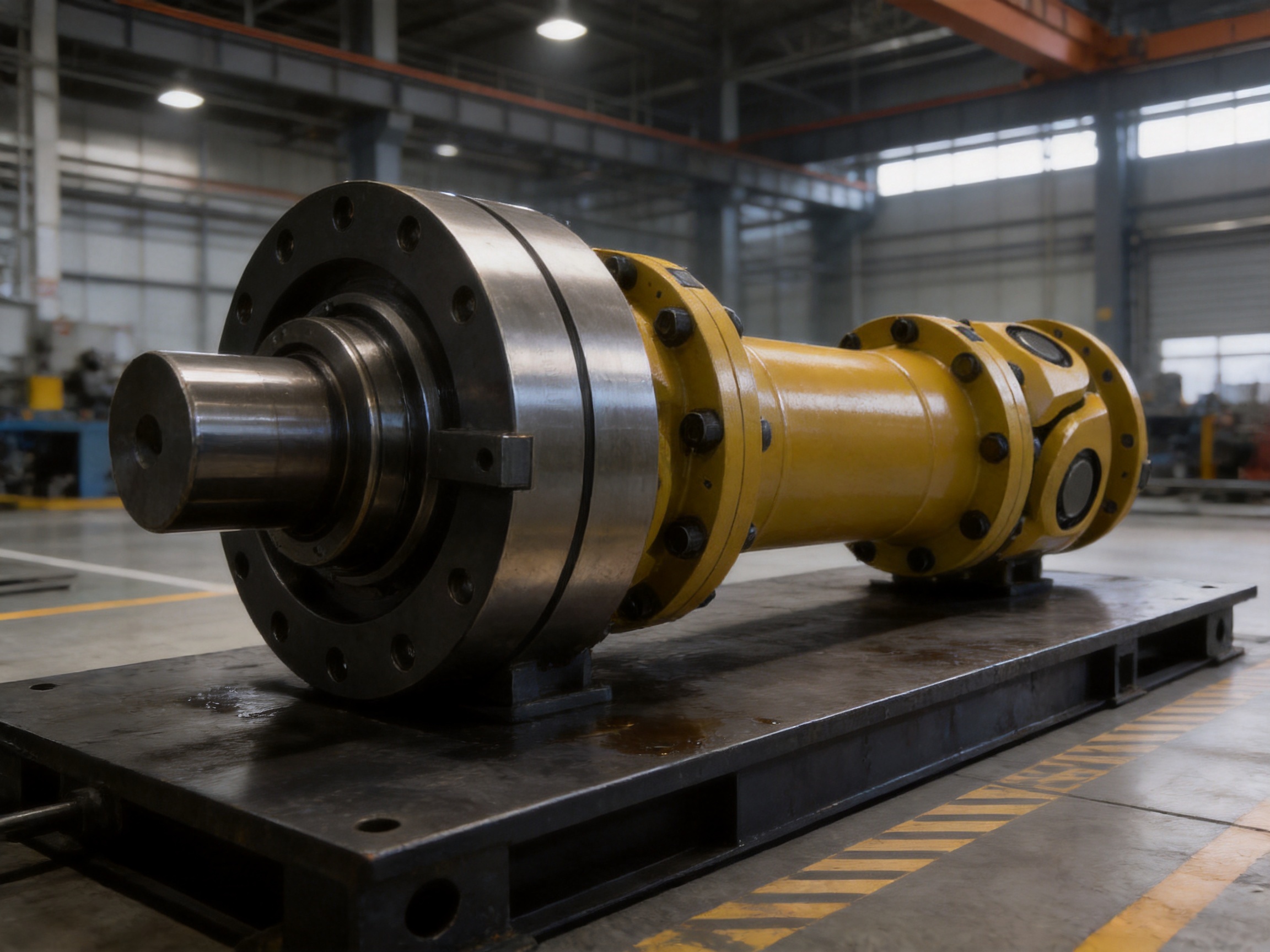
Because the coupling is large and heavy-duty, dimensional verification is essential before ordering. Engineers should compare the coupling drawing with shaft diameters, center distances, available installation space, keyway requirements, mounting-hole positions, guard dimensions, and maintenance access. A technically suitable torque rating is not sufficient if the physical envelope cannot be accommodated by the machine.
Advantages Over Conventional and Competing Coupling Solutions
Higher Capacity Than Ordinary Flexible Couplings
Many standard flexible couplings are designed for small and medium industrial drives. Their torque capacity, shaft diameter, and fatigue resistance may not be sufficient for rolling mills, heavy crushers, large hoists, or other equipment with extremely high power requirements. The SWC-WF series is specifically scaled for large transmission systems, with torque ratings extending to 12,000 kN·m.
This high capacity reduces the need to use multiple smaller couplings in parallel or to design an oversized intermediate transmission arrangement. A properly selected single large coupling can provide a more direct and manageable mechanical solution.
Greater Structural Stiffness Than Soft Elastic Couplings
Elastic couplings are valuable when vibration damping and shock absorption are the primary requirements. However, an elastic element can also introduce torsional softness, temperature sensitivity, aging, and material fatigue. The SWC-WF coupling uses non-elastic mechanical elements, giving it a more rigid torque-transmission behavior.
This makes the series advantageous in applications where precise torque transfer, low torsional deformation, and stable phase relationship between shafts are more important than high damping. It is particularly suitable for large machines where a rigid and efficient connection is required.
Compact Alternative to Flanged Expansion Arrangements
Expansion-flange configurations may require additional axial space and more complicated assembly interfaces. The flangeless construction of the SWC-WF series helps reduce structural complexity while maintaining the universal-joint function. This can be a significant benefit when a machine has limited space around the shaft line or when the coupling must be installed within an existing framework.
Broad Angle Selection
The availability of 5°, 10°, and 15° working-angle configurations gives designers more flexibility than a coupling limited to a small misalignment range. This can simplify the arrangement of long shafts, movable equipment, and offset drive lines. The three angle options also allow the engineer to balance angular flexibility, bearing-life expectations, torque capacity, and dimensional requirements.
Long-Term Heavy-Duty Suitability
The product range is designed for continuous industrial service rather than occasional light-duty operation. Large dimensions, high nominal torque, high fatigue torque, and carefully controlled manufacturing provide the foundation for long-term use in demanding environments. With appropriate lubrication, alignment, guarding, inspection, and maintenance, the coupling can support reliable operation in equipment that must remain productive for long periods.
Application Areas
Metallurgical Rolling Equipment
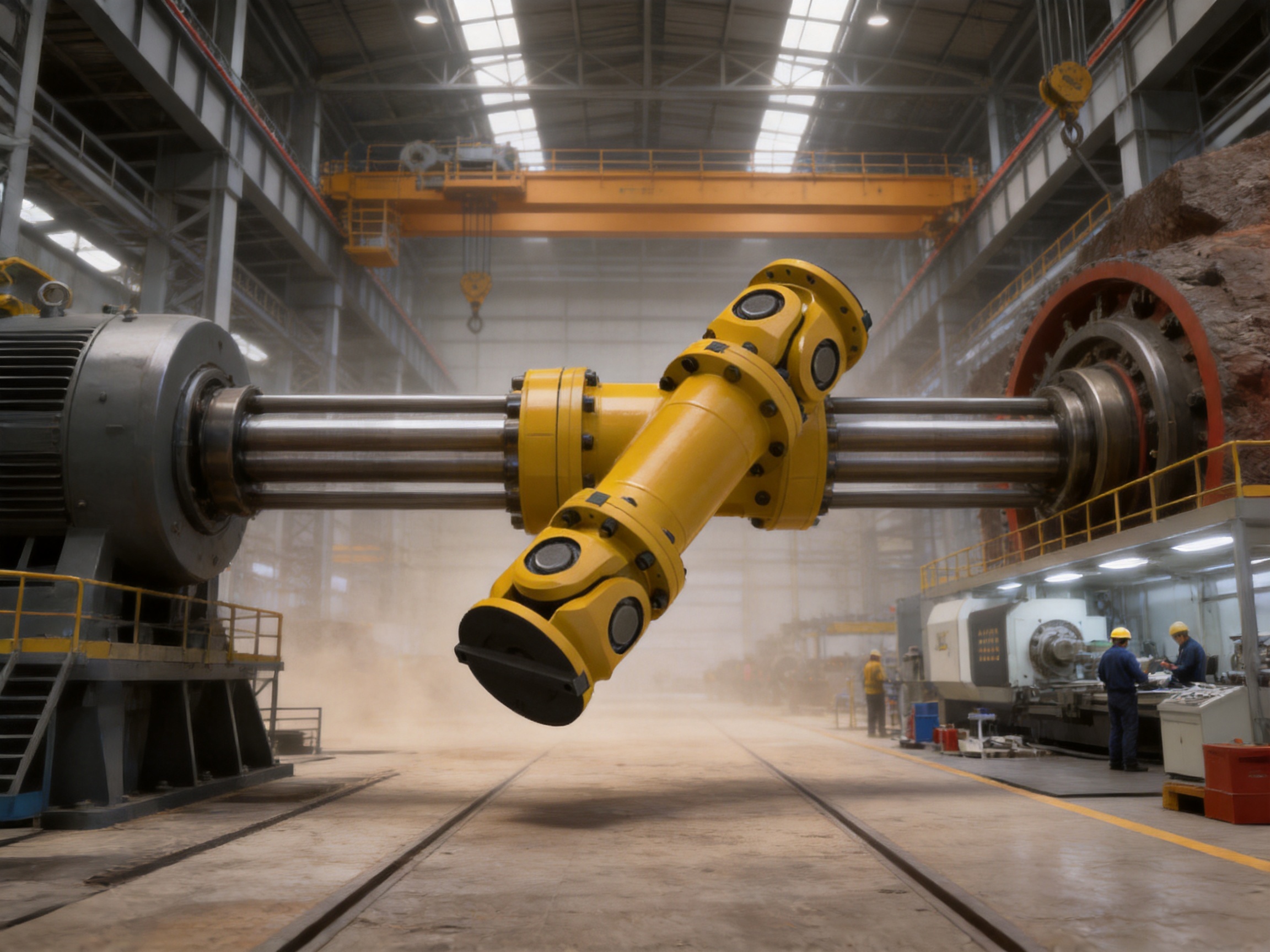
Rolling mills impose severe requirements on drive components. The transmission system may experience high torque, repeated load changes, impact loading, and large machine dimensions. A universal coupling can connect the drive shaft with a roll or another driven component while accommodating the required angular relationship.
The high torsional stiffness of the SWC-WF series helps transmit rolling torque efficiently. Its large size range enables selection according to the capacity of the rolling line, while the 5° to 15° angle range supports different equipment layouts. The flangeless construction can also be beneficial where the roll line provides limited installation clearance.
Mining and Crushing Machinery
Mining crushers and related equipment operate under high shock loads and repeated cyclic stress. The drive coupling must tolerate demanding conditions while maintaining a stable connection between the motor, gearbox, and crushing mechanism. The SWC-WF series offers high fatigue torque and a robust universal-joint arrangement for this type of service.
Selection for crushing equipment should account for starting torque, blockage events, frequency of impact, operating speed, and the possibility of transient overload. Where necessary, the coupling can be combined with a suitable safety coupling or overload-protection system elsewhere in the drive line.
Large Hoisting Equipment
Large hoists and lifting systems require reliable transmission because failure in the drive train can create serious operational and safety consequences. The universal coupling can accommodate angular shaft layouts in hoisting machinery while transmitting the high torque required for lifting heavy loads.
When used in hoisting systems, engineers should evaluate acceleration and deceleration cycles, braking torque, emergency stopping conditions, load variation, and the required service factor. Regular inspections are especially important because hoisting systems often operate under frequent starts, stops, and reversals.
Port and Material-Handling Equipment
Port machinery, conveyors, ship loaders, unloaders, and other material-handling systems often include long drive lines and large movable structures. Angular compensation can simplify the connection between shafts positioned on different components of the machine. The SWC-WF series is suitable for heavy material-handling systems where high torque and reliable continuous operation are required.
Paper, Water, and General Heavy Industrial Equipment
The company’s product range is also used across paper equipment, water equipment, and other industrial fields. Although the required operating conditions vary, these applications may benefit from the SWC-WF series’ high torque capacity, robust design, and ability to accommodate an angular shaft arrangement.
Manufacturing Strengths and Production Capability
The manufacturer, Zhongye Heavy Industry Technology (Zhenjiang) Co., Ltd., integrates research and development, manufacturing, and sales. This integrated structure is important for large custom-engineered couplings because it allows technical requirements to be communicated directly between design, production, inspection, and customer service teams.
The company operates a new workshop with an overall area of approximately 16,463.52 square meters. The facility includes a 5,500-square-meter heavy workshop, a 4,600-square-meter precision workshop, a 2,000-square-meter office building and gymnasium, a 500-square-meter dining hall, a 1,000-square-meter warehouse, and additional roads, landscaping, and parking areas.
The presence of both a heavy workshop and a precision workshop is particularly relevant to large universal couplings. Heavy components require appropriate lifting, handling, machining, and assembly space. At the same time, shaft interfaces, joint components, mounting surfaces, and dimensional relationships require controlled precision. Separating heavy-duty production activities from precision manufacturing areas can support more organized workflow and process control.
Engineering and Research Support
The company has a professional technical team with experience in coupling design and manufacturing. Its product portfolio includes toothed couplings, elastic sleeve pin couplings, universal couplings, tire couplings, jaw couplings, star couplings, diaphragm couplings, drum couplings, grid couplings, Oldham couplings, flange couplings, roller-chain couplings, safety couplings, and other types.
This broad product experience is useful when selecting a coupling for a complex transmission system. Different applications require different combinations of stiffness, damping, angular compensation, axial movement, overload protection, and maintenance requirements. A manufacturer familiar with multiple coupling principles can compare alternatives and recommend a suitable configuration rather than forcing every application into a single product type.
Precision Manufacturing
Large universal couplings must be manufactured with careful control of concentricity, shaft-hole dimensions, mounting interfaces, joint geometry, and balance-related characteristics. The manufacturer emphasizes high manufacturing precision and reliable production capability. These factors are essential because dimensional errors in a large coupling can increase vibration, create uneven loading, and shorten bearing or joint life.
A controlled production process for this type of product typically involves engineering review, material preparation, rough and precision machining, dimensional inspection, component fitting, assembly verification, and final quality release. The exact process route depends on the model and customer requirements, but each stage should be managed according to documented technical specifications.
Testing and Quality Control
The company identifies advanced testing facilities and strict quality control as important advantages. Testing is especially important for large couplings because the consequences of a dimensional or material defect can be significant. Inspection may include dimensional verification, interface checks, component condition assessment, assembly inspection, and other tests appropriate to the order specification.
The company’s products comply with international standards and certifications such as ISO 9001. A quality-management system supports repeatable production, traceability, process documentation, corrective action, and continuous improvement. For customers purchasing large industrial couplings, these systems provide greater confidence that the supplied product is manufactured under controlled conditions.
Customization and Non-Standard Design
Heavy industrial transmission systems rarely follow one universal layout. Shaft spacing, shaft diameter, working angle, torque, speed, mounting interface, environmental conditions, and guard arrangement can vary significantly from one project to another. For this reason, the manufacturer supports custom and non-standard coupling design.
Customization may involve adapting shaft-hole dimensions, keyways, mounting-hole arrangements, overall length, connection interfaces, materials, protective arrangements, lubrication provisions, or other mechanical details. It may also involve developing a coupling for a special operating angle or an unusual equipment envelope.
A custom project should begin with complete technical information. Useful data includes motor power, operating speed, starting conditions, nominal and peak torque, duty cycle, shaft dimensions, shaft spacing, working angle, ambient temperature, dust or moisture exposure, installation orientation, available space, and maintenance requirements.
When the coupling is intended for a replacement project, customers should also provide existing coupling drawings, photographs, nameplate information, and the measured shaft arrangement. This helps reduce the risk of selecting a coupling that meets the torque requirement but cannot be installed without extensive modification.
Selection Guidelines
1. Determine the Required Torque
The first step is to determine the actual transmitted torque. Nominal operating torque alone may not be sufficient. Starting torque, acceleration torque, braking torque, impact loads, reversing loads, and temporary overloads should all be considered. A service factor should be applied according to the machine’s duty cycle and load characteristics.
The selected coupling should not operate continuously at the absolute limit of its nominal capacity. Adequate margin is important for unexpected load changes, wear, installation variation, and future changes in machine operation.
2. Confirm the Working Angle
Select the operating-angle configuration that corresponds to the actual shaft arrangement. The SWC-WF series provides 5°, 10°, and 15° options. The angle should be measured or calculated from the equipment drawing rather than estimated visually.
Because bearing-life factors and fatigue torque values vary with angle, the selected angle affects more than the physical shape of the coupling. It also affects expected service performance. If the operating angle changes during machine movement, the complete movement range should be evaluated.
3. Check Shaft and Connection Dimensions
Confirm that the coupling’s D1 and D2 dimensions, keyway configuration, mounting-hole pattern, and key dimension match the connected shafts and flanges. The shaft material, key fit, and hub interface should be checked for sufficient strength under the transmitted torque.
4. Review the Installation Envelope
Large couplings require considerable space for installation and maintenance. Check minimum length, rotation diameter, guard clearance, lifting access, bolt access, lubrication access, and the ability to remove the coupling if a repair is required.
5. Consider Operating Environment
Metallurgical, mining, and port equipment may be exposed to dust, water, scale, impact, temperature variation, and corrosive substances. The coupling should be protected with a suitable guard and maintained according to the environmental conditions. Lubrication and sealing requirements should be discussed during technical selection.
Installation and Maintenance Considerations
Before installation, inspect the coupling for transport damage, contamination, corrosion, and dimensional conformity. Verify that the shafts, keys, mounting surfaces, and fasteners are clean and free from burrs. The machine foundation and shaft supports should be stable before the coupling is fitted.
Alignment should be performed according to the approved equipment drawing and installation procedure. The specified working angle must be achieved without forcing the coupling into position. Fasteners should be tightened using suitable tools and the recommended tightening method. Where locking devices or special fasteners are specified, they should not be replaced with ordinary hardware without engineering approval.
A suitable guard should be installed before operation. A large universal coupling contains rotating components that can create serious hazards. The guard should prevent access to moving parts while allowing adequate ventilation and inspection access.
Routine maintenance should include visual inspection, checking for abnormal noise or vibration, examination of fasteners, inspection of joint and bearing areas, verification of lubrication condition, and review of operating temperature where applicable. Any sudden change in vibration, noise, temperature, or torque behavior should be investigated promptly.
Maintenance intervals depend on speed, angle, load, environment, operating hours, and the manufacturer’s instructions. Heavy-duty applications with frequent impact or reversing loads may require more frequent inspections than steady-duty applications.
Operational Reliability
Reliability is the result of product design, manufacturing quality, correct selection, proper installation, and disciplined maintenance. The SWC-WF series provides a strong mechanical foundation through its large torque range, universal-joint structure, flangeless configuration, and angular compensation capability.
Its non-elastic construction is particularly beneficial when customers require high torsional stiffness and consistent transmission behavior. The coupling does not depend on an elastomer that may degrade due to heat, oil, ozone, or aging. Instead, its performance is based on mechanically robust components designed for the required torque and angle.
At the same time, customers should recognize that no coupling is maintenance-free in every application. Large universal couplings operate under substantial mechanical loads. Periodic inspection, appropriate lubrication, correct alignment, and protection from contamination remain necessary for achieving long service life.
Why Work with an Integrated Coupling Manufacturer?
Purchasing a large coupling involves more than selecting a catalog model. Customers may need support with torque calculations, angle verification, dimensional adaptation, replacement matching, installation planning, and after-sales service. An integrated manufacturer can coordinate these activities through one technical and commercial channel.
Zhongye Heavy Industry Technology provides pre-sale technical support, non-standard design solutions, production guarantees, quality control, and after-sale service support. Its broad product portfolio also allows customers to compare universal couplings with gear couplings, elastic couplings, diaphragm couplings, safety couplings, and other alternatives.
This approach can reduce the risk of selecting a coupling based only on a single specification. The best solution must balance torque, stiffness, misalignment, space, speed, maintenance, safety, and total operating cost. Technical cooperation at the beginning of a project can prevent costly modifications later.
Frequently Asked Questions
What is the SWC-WF coupling used for?
The SWC-WF coupling is used to transmit high torque between shafts arranged at a fixed spacing and an angular offset. Typical applications include metallurgical rolling equipment, mining crushers, large hoists, port machinery, material-handling systems, paper equipment, water equipment, and other heavy industrial drives.
What does “without expansion flange” mean?
It means that the coupling uses a flangeless structural arrangement rather than an expansion-flange configuration. This can provide a more compact transmission layout, high torsional stiffness, and fewer structural interfaces in applications where installation space is limited.
What angular misalignment can the coupling accommodate?
The SWC-WF series is designed for axis angles of 5°, 10°, and 15°. The selected angle affects dimensions, fatigue torque, and bearing-life factors, so the actual operating angle must be confirmed before selection.
What is the maximum torque capacity?
The largest listed model, SWC1200WF, has a nominal torque of up to 12,000 kN·m. Its listed fatigue torque is up to 7,200 kN·m at a 5° axis angle.
Is the SWC-WF coupling an elastic coupling?
No. It belongs to the category of flexible couplings with non-elastic elements. Its flexibility comes from the universal-joint configuration and its ability to operate at an angular shaft relationship, rather than from an elastomeric element.
How should the correct model be selected?
Selection should consider nominal and peak torque, speed, duty cycle, operating angle, shaft dimensions, shaft spacing, installation space, environmental conditions, mounting interfaces, and maintenance requirements. Customers should provide complete equipment data so the model can be checked by a qualified technical team.
Can the coupling be customized?
Yes. The manufacturer undertakes the design and manufacture of non-standard couplings. Customization may include shaft holes, keyways, mounting patterns, overall dimensions, working angle, materials, and other interfaces required by the equipment.
What industries does the manufacturer serve?
The manufacturer serves metallurgical, mining, water, lifting, paper, port, and other industrial sectors. Its product range includes universal couplings and many other coupling types for different transmission requirements.
Does the product require regular maintenance?
Yes. Maintenance requirements depend on operating speed, torque, angle, environment, and duty cycle. Regular inspection, lubrication where specified, fastener checks, alignment verification, and vibration monitoring help maintain reliable service.
Why is torsional stiffness important?
Torsional stiffness limits angular deflection between the driving and driven shafts. It can improve torque-transfer accuracy, reduce energy loss associated with excessive deformation, and support stable operation in heavy industrial machinery.
Conclusion
The SWC-WF type large-size universal coupling without expansion flange is a high-capacity transmission solution for industrial systems that require both angular flexibility and firm torque transfer. Its flangeless structure, universal-joint configuration, high torsional stiffness, and broad 5° to 15° operating-angle range make it suitable for demanding equipment layouts.
With rotation diameters from 620 mm to 1200 mm, nominal torque up to 12,000 kN·m, and fatigue torque up to 7,200 kN·m, the series covers a substantial range of heavy-duty applications. Compared with ordinary flexible couplings, it offers greater capacity and structural strength. Compared with highly elastic solutions, it provides a more rigid and stable torque-transmission path. Compared with more complicated flanged arrangements, its flangeless design can support compact equipment integration.
The product’s performance is reinforced by the manufacturer’s integrated R&D, manufacturing, testing, quality-control, customization, and service capabilities. A heavy workshop, precision workshop, broad coupling portfolio, non-standard design support, and ISO 9001-related quality systems provide a strong foundation for supplying reliable industrial transmission components.
For the best result, the coupling should be selected as part of a complete engineering review. Torque, speed, working angle, shaft dimensions, installation space, environmental conditions, and maintenance requirements must all be considered. When correctly specified, installed, and maintained, the SWC-WF series can provide a durable and efficient connection for modern heavy industrial transmission systems.
References
1. Manufacturer’s product specification for the SWC-WF type large-size universal coupling without expansion flange.
2. Manufacturer’s technical data for SWC620WF, SWC680WF, SWC740WF, SWC780WF, SWC840WF, SWC920WF, SWC1000WF, SWC1100WF, and SWC1200WF models.
3. Manufacturer’s company profile and industrial coupling product portfolio.
4. ISO 9001 quality management system principles for manufacturing organizations.
5. General engineering practices for coupling selection, shaft alignment, torque transmission, lubrication, guarding, and maintenance.
Product: SWC-WF type large size universal coupling without expansion flange

- Quick Links
- About
- Products
- Our Service
- News & Events
- Contact
- Products Series
- Flexible Couplings with Non-Elastic Elements
- Flexible Couplings with Metal Elastic Elements
- Flexible Couplings with Non-Metallic Elastic Elements
- Safety Coupling
- Rigid Coupling
- Contact Us
- Tel : +86 511 8572 3800 +86 511 8572 3900
- Mobile : +86 15106109009
- Email : sales@couplingzy.com
- Add:No.1 Zhongye Yingbin Avenue, Gaozi Street, Dantu Economic Development Zone, Zhenjiang City, Jiangsu Province, China.


