:+86 15106109009
:sales@couplingzy.com


 English
 русский
 Español
 عربى
 Português
 Deutsch
 Türk
 Indonesia


MP Diaphragm Coupling for High-Precision, High-Torque Power Transmission
Content
- 1 Product Design and Operating Principle
- 2 Key Technical Advantages
- 3 Comparison with Other Coupling Types
- 4 Range, Ratings, and Selection Data
- 5 Manufacturing and Quality Strengths
- 6 Application Areas
- 7 Installation and Maintenance Considerations
- 8 Customization and Engineering Support
- 9 Why Choose the MP Diaphragm Coupling
- 10 Selection Checklist
- 11 Questions and Answers
- 11.1 What is an MP diaphragm coupling?
- 11.2 What standard does the MP coupling comply with?
- 11.3 Does the diaphragm coupling require lubrication?
- 11.4 How does it compare with a snake spring coupling?
- 11.5 How does it compare with a gear coupling?
- 11.6 What is the torque range of the MP series?
- 11.7 What is the allowable speed range?
- 11.8 Can the MP coupling operate in high and low temperatures?
- 11.9 Can the coupling be customized?
- 11.10 What information is needed for a quotation?
- 11.11 What industries use this type of coupling?
- 11.12 Is the MP coupling maintenance-free?
- 12 Conclusion
- 13 References
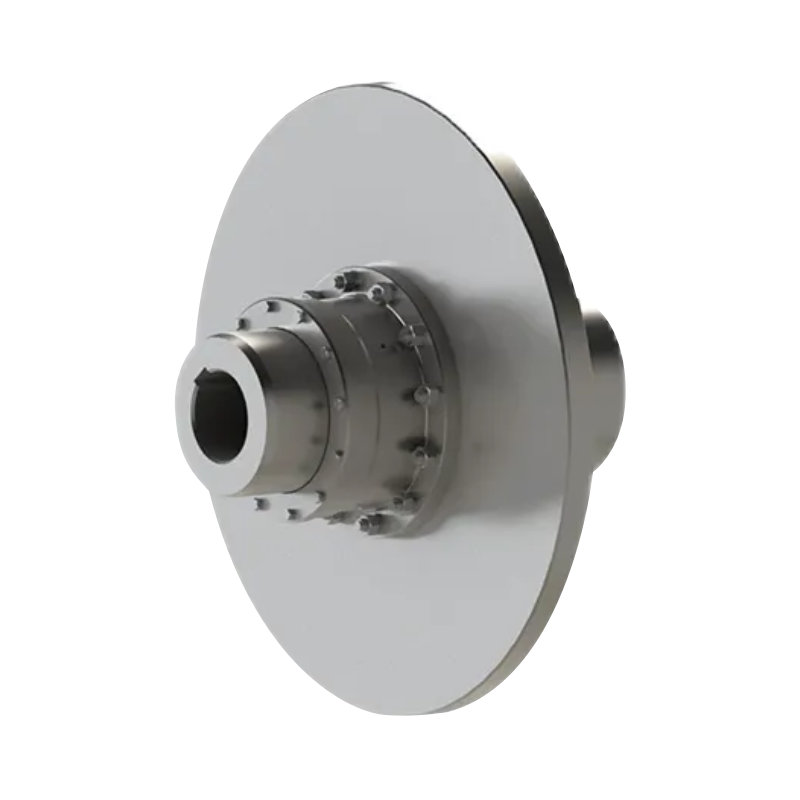
- 14 Product: MP diaphragm coupling(Q/YP 21001X-2018)
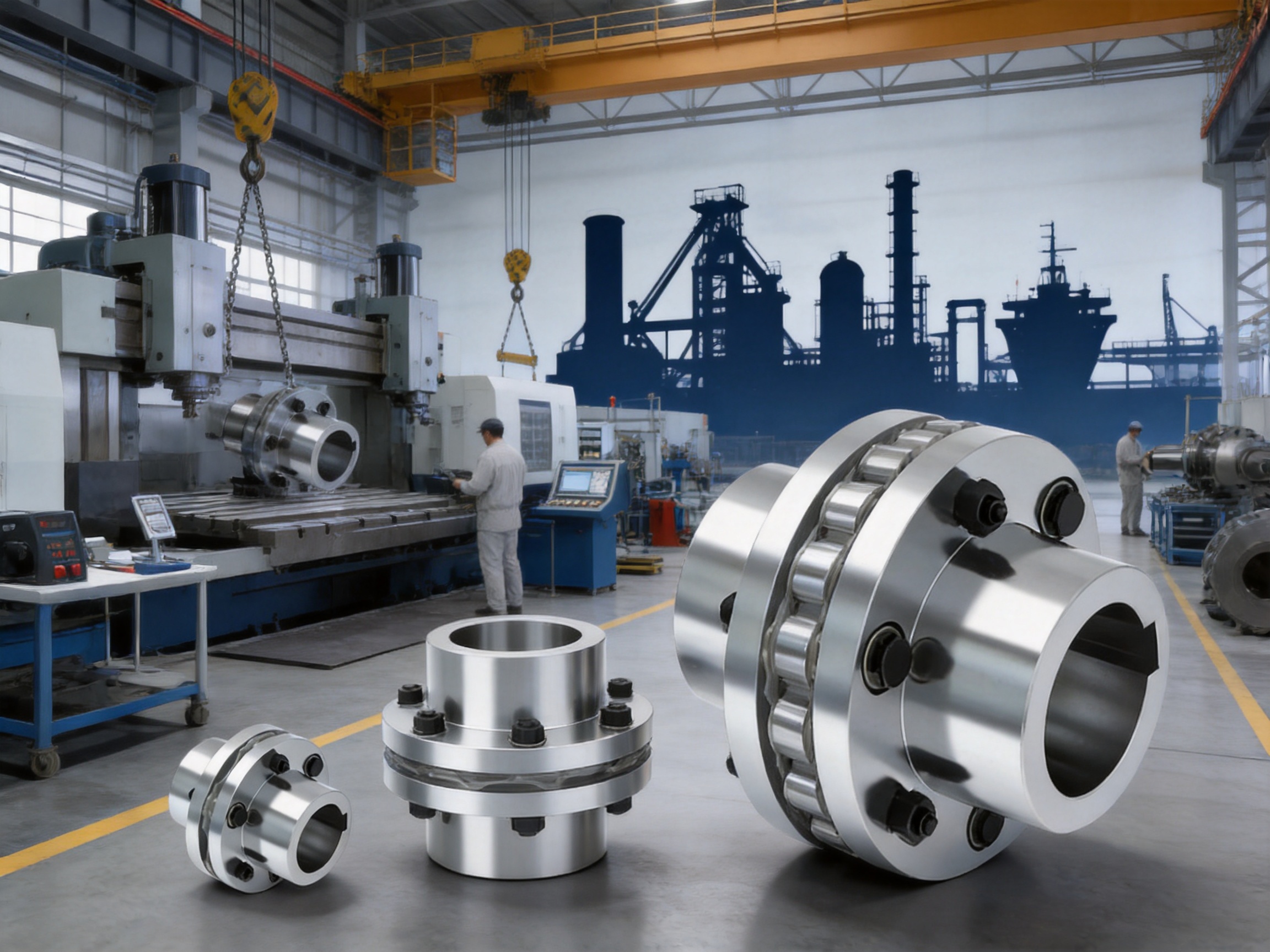
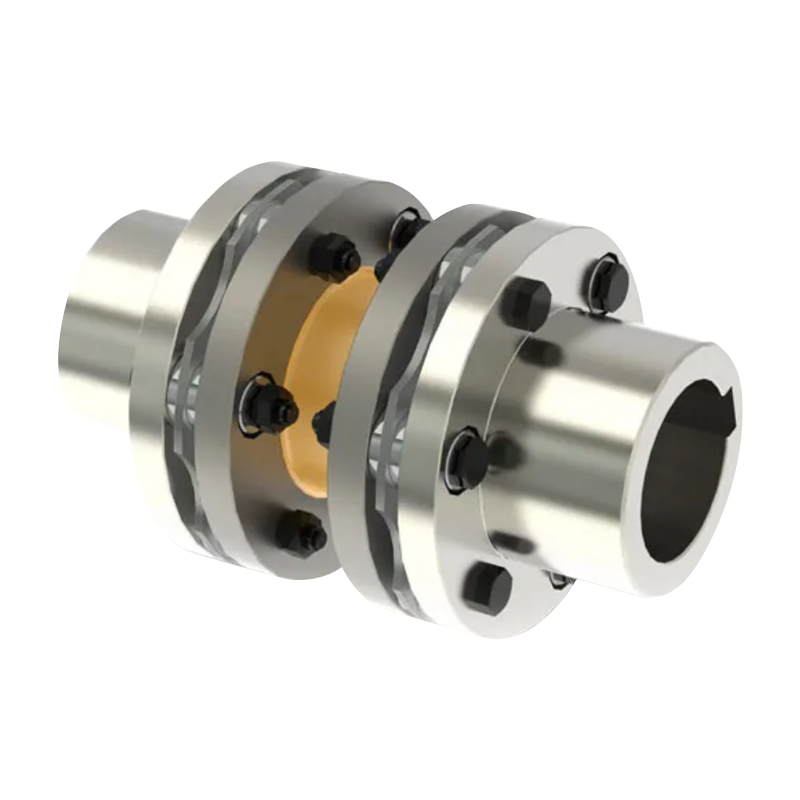
The MP diaphragm coupling, manufactured in accordance with the Q/YP 21001X-2018 standard, is a high-performance metal flexible coupling developed for demanding industrial transmission systems. It combines high torsional rigidity, reliable misalignment compensation, excellent balance, broad torque capacity, and long service life in a compact mechanical assembly. The product is designed for applications in which conventional couplings may not provide sufficient speed capability, maintenance convenience, environmental resistance, or transmission precision.
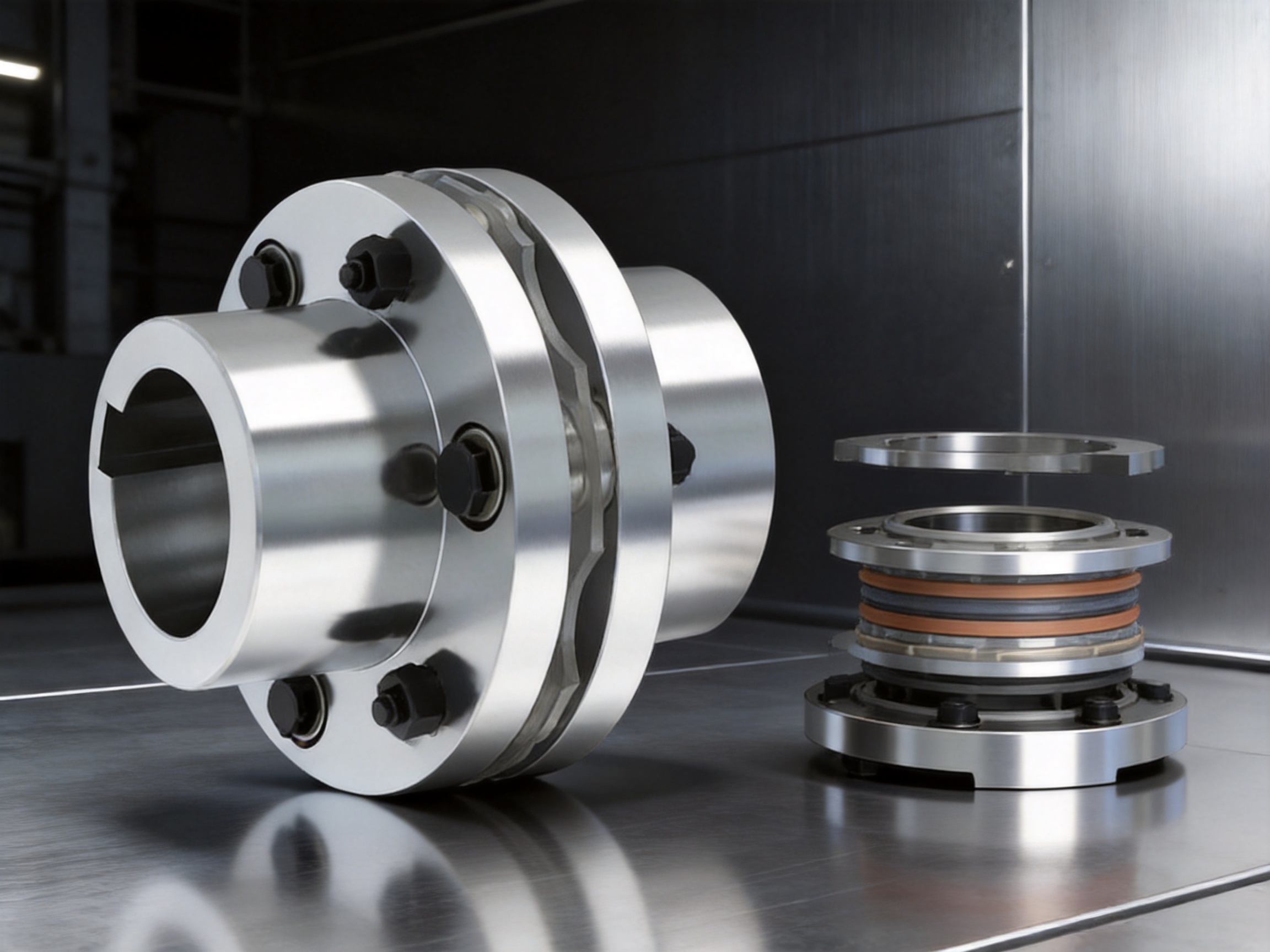
At the heart of the MP coupling is a diaphragm group made from multiple layers of high-strength stainless steel sheets. These diaphragms transmit torque through controlled elastic deformation rather than through sliding friction, lubrication, or polymeric components. This design allows the coupling to accommodate angular, axial, and limited radial displacement while maintaining a stable connection between two shafts.
The MP series covers a broad operating range. Nominal torque ratings extend from 0.063 to 10000 kN·m, while the standard table supplied for this series lists sizes MP1 through MP30 with nominal torque ratings from 40 N·m to 315000 N·m. Allowable speeds range from 1050 r/min to 10700 r/min depending on the model. This wide selection enables the coupling to serve both precision high-speed machinery and large heavy-duty power transmission systems.
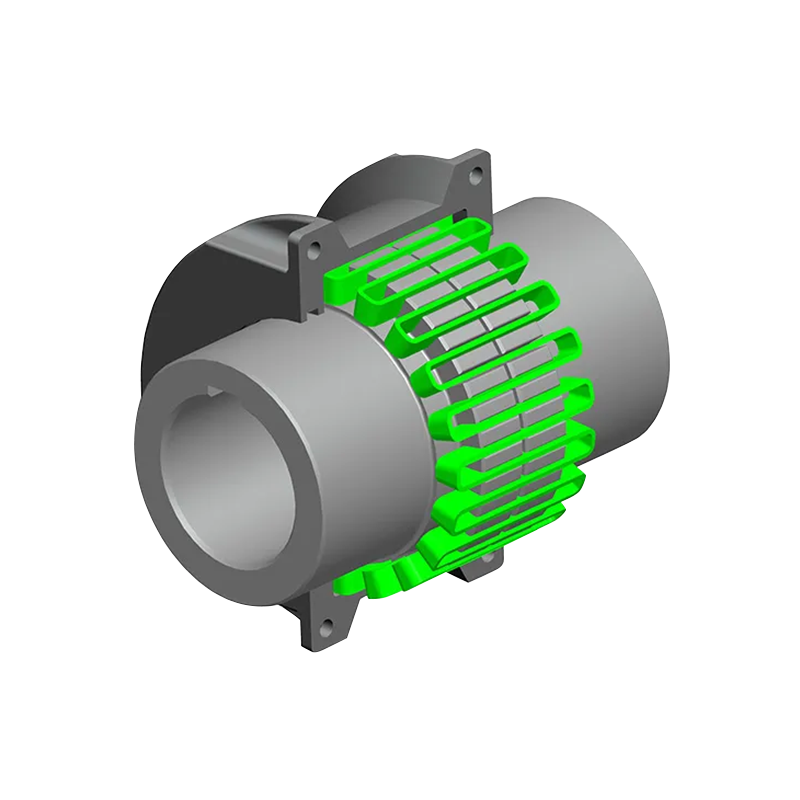
Unlike many elastomeric couplings, the MP diaphragm coupling does not depend on a rubber or plastic element that can harden, crack, soften, or lose performance with age. Unlike gear couplings, it does not require continuous lubrication for the diaphragm transmission principle. Unlike many snake spring couplings, it has no serpentine spring grid that must absorb torsional shock through repeated contact with a lubricant-filled grid housing. These differences make the MP series particularly attractive for high-speed, high-precision, clean, and temperature-variable applications.
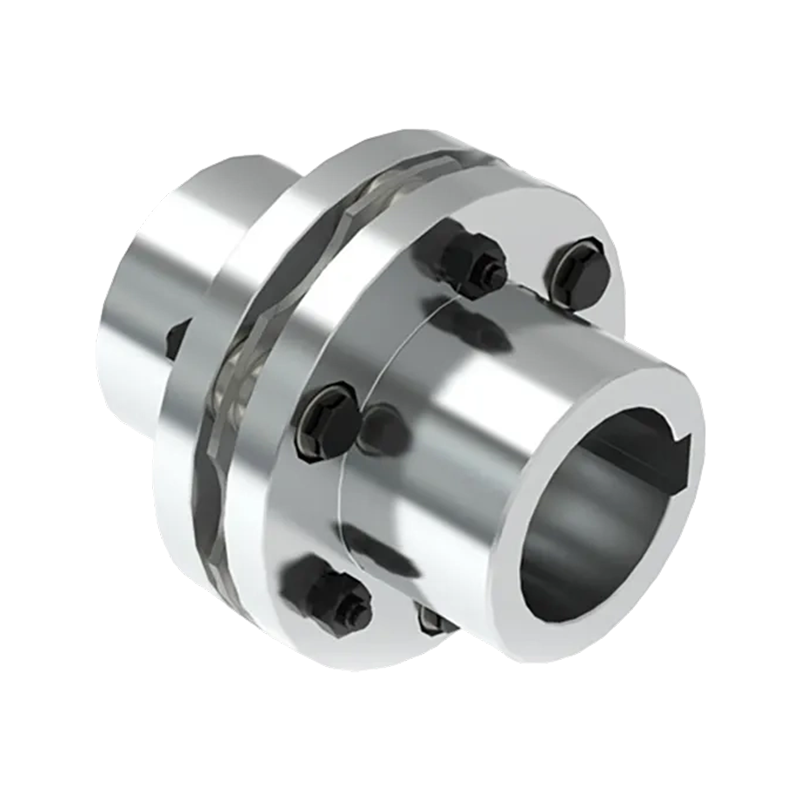
MP diaphragm coupling(Q/YP 21001X-2018)
Product Design and Operating Principle
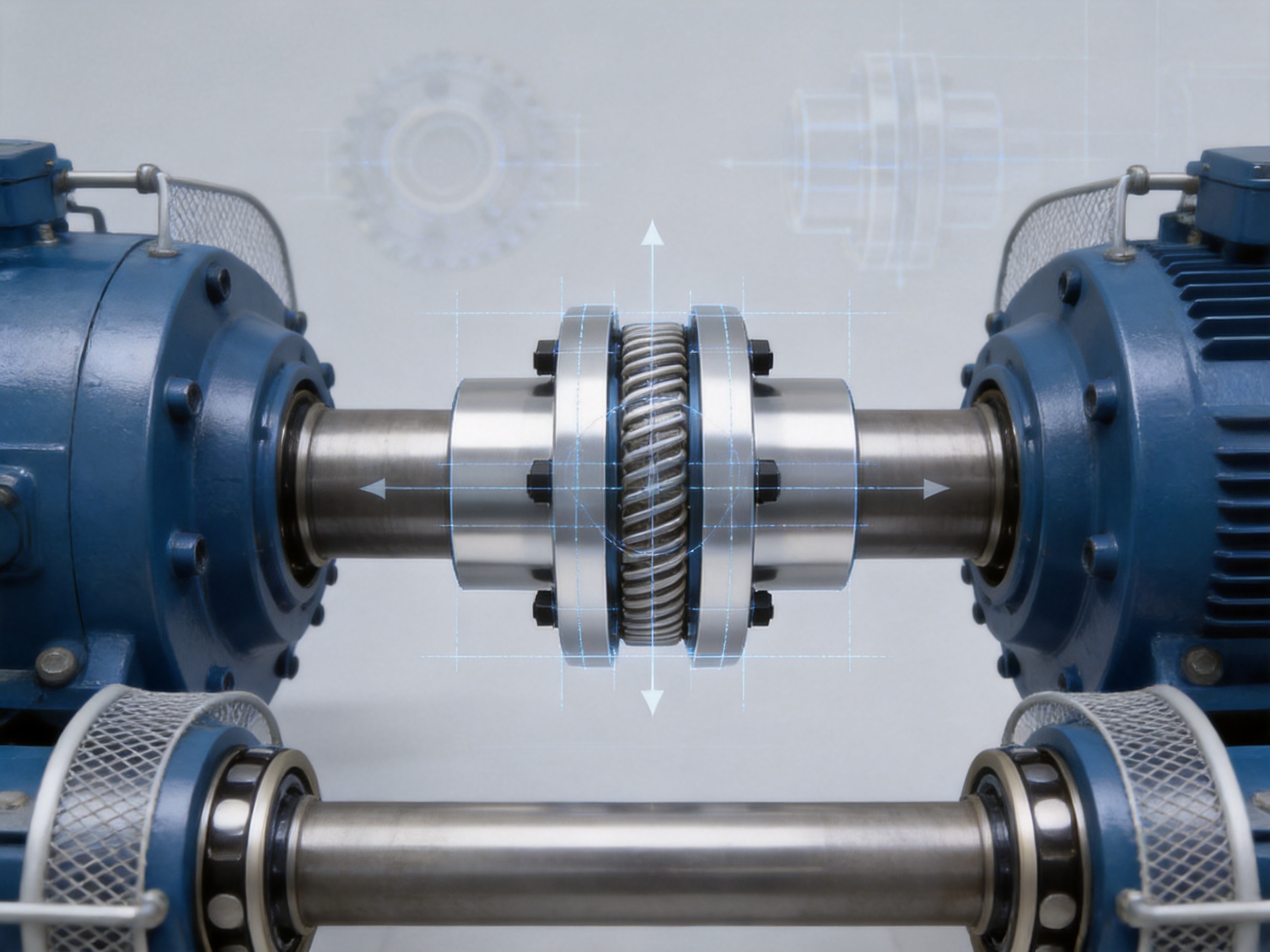
A diaphragm coupling consists primarily of two hubs, one or more diaphragm packs, connecting bolts, precision flanges, and associated spacers or intermediate components where required by the shaft arrangement. The hubs are connected to the driving and driven shafts, while the diaphragm packs form the flexible metallic link between the two sides of the coupling.
When torque is applied, the diaphragm pack transfers the load through tensile and compressive stresses distributed across the diaphragm material. The coupling is therefore capable of transmitting torque without requiring relative sliding between friction surfaces. Because the diaphragm is thin and flexible in selected directions but strong in the torque-transmitting direction, it can compensate for shaft displacement while preserving a relatively high torsional stiffness.
Angular misalignment is accommodated by the controlled bending of the diaphragms. Axial displacement is absorbed through the axial flexibility of the diaphragm pack. Limited radial displacement is handled by the geometric arrangement of the flexible element, although the allowable radial value depends on the specific MP size, shaft spacing, operating speed, and installation conditions.
The diaphragm group is assembled with precision fasteners and flanges. This construction creates a positive mechanical connection with no elastomeric insert to deteriorate under heat, oil, ultraviolet exposure, or chemical contamination. It also makes the coupling suitable for environments where clean operation and reduced maintenance are important.
The product’s design philosophy is based on controlled flexibility rather than excessive softness. The coupling is flexible enough to protect connected shafts and bearings from harmful alignment forces, yet sufficiently rigid in torsion to preserve the intended relationship between the driver and the driven machine. This balance is valuable in systems requiring accurate speed transmission, stable phase relationships, and predictable dynamic behavior.
Key Technical Advantages
High Torsional Rigidity
High torsional rigidity is one of the principal advantages of the MP diaphragm coupling. The metallic diaphragm pack resists torsional deformation, allowing torque to pass through the coupling with limited angular lag. This characteristic is beneficial in compressors, turbines, pumps, generators, test stands, high-speed gearboxes, and other machines where excessive torsional wind-up can affect control accuracy or cause dynamic instability.
The supplied technical data includes torsional stiffness values for the MP range. Smaller models provide suitable stiffness for compact machinery, while larger models are engineered to transmit substantial torque through heavy industrial drive lines. When selecting a coupling, designers should compare the required torsional stiffness with the machine’s shaft stiffness, natural frequencies, starting torque, cyclic load, and torsional vibration requirements.
Compensation for Multiple Types of Misalignment
Shafts in real industrial machinery are rarely aligned perfectly under all operating conditions. Thermal growth, foundation movement, bearing wear, assembly tolerances, pipe loads, casing deformation, and manufacturing variation can create angular, axial, or radial displacement. The MP diaphragm coupling compensates for these movements through elastic diaphragm deformation.
This compensation reduces the transmission of excessive reaction forces into bearings and connected equipment. It can also reduce the likelihood of premature shaft wear, bearing overheating, seal damage, and coupling fatigue. Proper alignment remains essential, however. A flexible coupling is not a substitute for correct installation, and allowable misalignment values must be confirmed for the selected model and operating condition.
High-Speed Capability
The MP series is well suited to high-speed operating conditions because its flexible element is composed of balanced metal diaphragms rather than a bulky elastomeric or spring-grid assembly. The compact arrangement and precision flange connection can support stable rotation when the coupling is correctly manufactured, dynamically balanced, and installed.
Allowable speed is model-dependent. The standard data identifies a maximum allowable speed of 10700 r/min for MP1, gradually reducing as the size and torque capacity increase. For example, MP10 is listed at 4000 r/min, MP20 at 1850 r/min, and MP30 at 1050 r/min. These values illustrate an important selection principle: larger torque capacity does not automatically correspond to higher speed capability. The coupling must be selected according to the combined requirements of torque, speed, shaft diameter, balance, and operating environment.
Lubrication-Free Flexible Element
The diaphragm transmission principle does not require grease or oil inside the flexible element for normal operation. This helps simplify maintenance and eliminates the need to monitor lubricant leakage, contamination, or degradation within the coupling. It can be especially beneficial in clean production areas, high-temperature locations, vertical installations, and equipment where routine lubrication access is restricted.
The absence of internal coupling lubrication does not mean that the entire drive system is lubrication-free. Bearings, gears, seals, and other machine components must still be lubricated according to their own requirements. In addition, fasteners and shaft fits must be assembled in accordance with the manufacturer’s instructions.
Wide Temperature and Media Resistance
The MP diaphragm coupling is designed to operate in temperatures ranging from approximately -40°C to +250°C, subject to the selected materials, finish, speed, load, and application conditions. Stainless steel diaphragms provide strong resistance to many corrosive environments, although the actual compatibility must be evaluated against the specific chemical medium, concentration, humidity, and exposure duration.
This temperature range gives the series an advantage over many rubber-element couplings. Elastomers can lose flexibility at low temperature, become soft at elevated temperature, or experience accelerated aging when exposed to oils and chemicals. The metallic diaphragm does not have the same aging mechanism, making the MP series more suitable for difficult thermal environments.
Comparison with Other Coupling Types
Compared with Snake Spring Couplings
Snake spring couplings are widely used for heavy-duty machinery because their spring grid can provide useful torsional cushioning and vibration damping. They are often selected for motors, crushers, conveyors, fans, pumps, and general industrial drives that experience shock loading or fluctuating torque.
The MP diaphragm coupling follows a different design philosophy. It emphasizes high torsional rigidity, precision transmission, low structural vibration, compact construction, and high-speed suitability. A snake spring coupling may be preferable where strong torsional damping and shock absorption are the primary objectives. The MP coupling may be preferable where positioning accuracy, speed stability, reduced maintenance, and clean operation are more important.
Compared with a snake spring coupling, the MP design has fewer operating components that move against one another. It does not require a spring grid to be packed with lubricant, and it avoids the deterioration of a grid lubricant caused by temperature or contamination. Its precision flange connection also allows transmission components to be disassembled and assembled without creating axial displacement in the connected machinery, when the installation arrangement is properly designed.
Compared with Gear Couplings
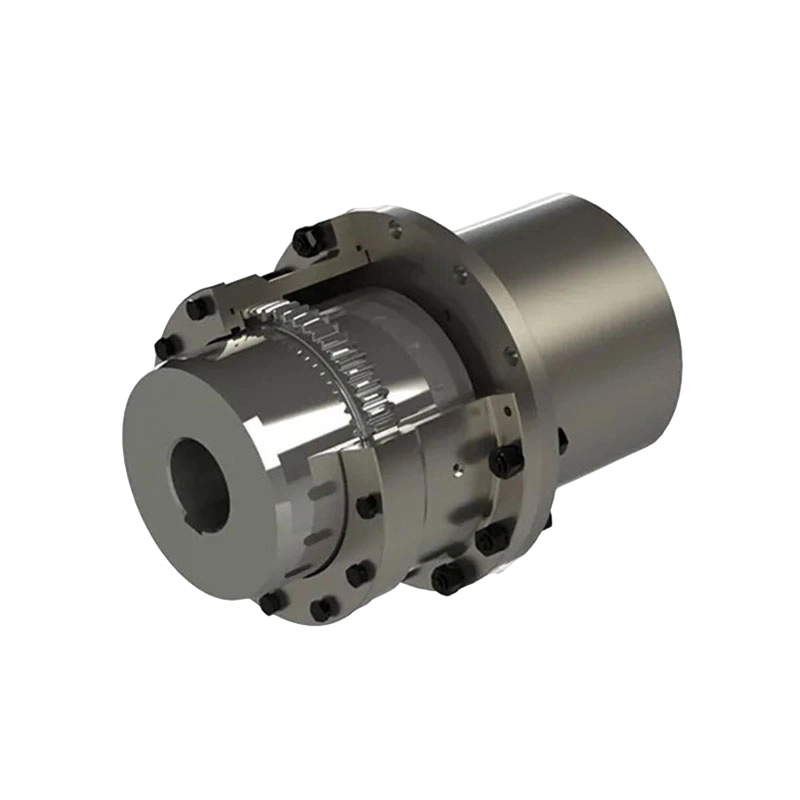
Gear couplings can transmit high torque and accommodate considerable shaft displacement. However, their gear teeth require lubrication and careful sealing. Tooth wear, lubricant loss, contamination, and inadequate maintenance can reduce service life. Gear couplings may also produce backlash or require more complicated inspection procedures in precision applications.
The MP diaphragm coupling transmits torque through a metal diaphragm pack rather than meshing teeth. It therefore avoids gear-tooth contact and the associated lubrication requirements. Its high torsional stiffness and low backlash characteristics are valuable in systems where accurate torque transmission is important. The diaphragm design can also provide a simpler external inspection process because there are no internal gear teeth requiring routine tooth-contact evaluation.
Gear couplings remain useful for applications requiring very high torque, substantial displacement capacity, or specific shaft arrangements. The correct choice depends on machine dynamics, allowable misalignment, speed, environment, maintenance strategy, and total cost of ownership. The MP series is not intended to replace every coupling type, but it offers a strong alternative where precision, speed, cleanliness, and reliability are priorities.
Compared with Elastomeric Couplings
Elastomeric couplings, including jaw, tire, sleeve, and pin-and-bush designs, are attractive because they can be economical, easy to install, and effective at damping vibration. Their performance, however, depends on the long-term condition of the elastic material. Heat, oil, ozone, ultraviolet exposure, chemical contact, and repeated shock loads can change the material’s properties.
The MP diaphragm coupling uses metal rather than rubber or plastic as its primary flexible element. This provides more predictable performance over a wider temperature range and avoids routine replacement of an elastomeric insert. It also delivers greater torsional stiffness than many soft elastomeric couplings, which is useful in servo-like, high-speed, and precision transmission systems.
An elastomeric coupling may still be the better choice where strong vibration isolation, low initial cost, or high damping is needed. The MP series is better suited to applications where the coupling must preserve alignment flexibility while transmitting torque with minimal torsional compliance.
Range, Ratings, and Selection Data
The MP product family includes thirty principal sizes identified as MP1 through MP30 in the supplied standard table. The nominal torque rating increases progressively with size, while allowable speed generally decreases as the coupling becomes larger and heavier. The shaft-hole options also increase to accommodate larger drive shafts.
| Model range | MP1 to MP30 |
| Nominal torque range in supplied table | 40 N·m to 315000 N·m |
| Overall product range stated for the series | 0.063 to 10000 kN·m |
| Allowable speed range in supplied table | 1050 to 10700 r/min |
| Operating temperature stated for the series | -40°C to +250°C |
| Flexible element | Multi-layer high-strength stainless steel diaphragm group |
| Displacement compensation | Angular, axial, and limited radial displacement |
| Typical connection method | Precision flanges and high-strength fasteners |
| Lubrication requirement for diaphragm element | Normally none |
For engineering selection, nominal torque should not be treated as the only criterion. The designer should calculate the actual transmitted torque from motor power and speed, then apply service factors for starting, stopping, reversing, cyclic loading, impact, process variation, and environmental conditions.
The basic torque relationship is commonly expressed as T = 9550P/n when power P is in kilowatts and speed n is in revolutions per minute, producing torque T in newton metres. The calculated operating torque should then be multiplied by an appropriate service factor. The selected coupling’s nominal torque should exceed the resulting design torque while also satisfying speed, bore, shaft extension, misalignment, and torsional stiffness requirements.
The shaft-hole diameter is another essential selection factor. The MP table provides multiple bore combinations for many models. For example, MP1 includes small shaft diameters beginning at 14 mm, while larger models offer bores exceeding 300 mm. The bore must provide adequate fit, keyway strength, hub wall thickness, and torque capacity. If a standard bore does not meet the machinery requirement, a customized design may be considered.
Moment of inertia should be reviewed in high-speed and rapidly accelerating systems. A coupling with excessive inertia can increase motor starting demand, slow acceleration, and affect servo response. The MP table provides moment-of-inertia values for the listed sizes, allowing designers to include the coupling in the complete rotational inertia calculation.
Mass is also relevant for high-speed balancing, vertical installations, support structures, and equipment handling. As the coupling size increases, mass and inertia increase substantially. This is normal for higher torque ratings, but it should be considered during shaft design, bearing selection, lifting planning, and guard design.
Manufacturing and Quality Strengths
Zhongye Heavy Industry Technology (Zhenjiang) Co., Ltd. integrates research and development, manufacturing, sales, technical support, and after-sales service. Its production capabilities are focused on industrial couplings and related transmission components for metallurgical, mining, water, lifting, paper, port, and other heavy-industry applications.
The company’s new workshop covers approximately 16,463.52 square metres. The facility includes a heavy workshop of approximately 5,500 square metres, a precision workshop of approximately 4,600 square metres, an office building and gymnasium, a dining hall, a warehouse, and dedicated roads, green areas, and parking spaces. This division of space supports both large-scale fabrication and precision manufacturing activities.
The heavy workshop is important for processing large coupling bodies, hubs, flanges, and other high-load transmission components. Large industrial couplings require suitable lifting capacity, machining clearance, heat-treatment coordination, dimensional control, and safe assembly space. A dedicated heavy manufacturing area helps the company handle larger products while maintaining organized production flow.
The precision workshop supports detailed machining, bore processing, flange finishing, fastener preparation, inspection, and assembly. Diaphragm couplings depend heavily on concentricity, flatness, runout, bolt-hole accuracy, balance, and consistent diaphragm assembly. Precision production conditions are therefore central to the reliability of the final product.
The company reports advanced testing facilities and strict quality control. For a diaphragm coupling, quality assurance should cover raw material verification, diaphragm thickness and material inspection, heat treatment where applicable, dimensional measurement, hub and flange concentricity, bolt-hole positioning, surface finish, fastener quality, balancing, and final assembly checks.
Metal diaphragm performance is influenced by material strength, fatigue resistance, surface condition, thickness consistency, forming accuracy, and stress concentration. Manufacturing processes must therefore prevent sharp defects, uncontrolled deformation, burrs, scratches, and incorrect assembly orientation. Careful control of these details helps the diaphragm group withstand repeated cyclic deformation during operation.
Precision fasteners are equally important. The bolts connecting the diaphragm pack and flanges must provide sufficient tensile strength, correct dimensions, suitable surface condition, and accurate tightening. Incorrect bolt preload can create uneven load distribution, local stress concentration, and premature fatigue. Controlled assembly procedures and documented tightening practices are essential to product reliability.
Dynamic balance is another important manufacturing consideration. Any coupling rotating at high speed must be evaluated as a complete assembly or according to the applicable balancing procedure. Uneven mass distribution can increase vibration, bearing loads, noise, and fatigue stress. The company’s precision manufacturing and testing capabilities support the development of balanced coupling assemblies for high-speed machinery.
The product range is supported by a professional technical team with experience in coupling design and industrial transmission. This is particularly valuable for non-standard requirements involving unusual shaft diameters, extended spacer lengths, special materials, elevated temperatures, corrosive media, vertical shafts, brake discs, drums, insulating arrangements, or restricted installation spaces.
Application Areas
Metallurgical Equipment
Metallurgical machinery often operates under high torque, elevated temperature, heavy impact, dust, and demanding production schedules. Rolling mills, processing lines, continuous casting equipment, reheating systems, and auxiliary drives can benefit from coupling designs that combine high load capacity with reduced lubrication requirements.
The MP diaphragm coupling is suitable where accurate torque transfer and stable operation are required. Its metallic flexible element can tolerate harsh thermal conditions better than many polymeric alternatives, while its compensation capability helps manage shaft displacement caused by thermal expansion and equipment movement.
Chemical and Process Equipment
Chemical plants may expose mechanical components to corrosive gases, liquids, vapours, temperature cycling, and strict contamination-control requirements. The stainless steel diaphragm construction can provide useful resistance in many such environments, provided that the selected material and surface treatment are compatible with the process medium.
Because the diaphragm element normally operates without internal lubrication, the coupling can reduce the risk of grease contamination near sensitive process equipment. It is suitable for consideration in pumps, compressors, agitators, mixers, fans, and other rotating equipment where clean and dependable torque transmission is required.
Power Generation
Power-generation machinery places strong emphasis on reliability, balance, torsional behavior, and maintenance planning. Couplings may be installed between motors and pumps, turbines and generators, gearboxes and auxiliary drives, or other rotating equipment.
The MP coupling’s high torsional rigidity helps support stable power transmission, while its flexible diaphragm group compensates for operating misalignment. For high-speed applications, detailed torsional analysis, critical-speed evaluation, balancing, and alignment verification should be carried out before commissioning.
Shipbuilding and Marine Machinery
Marine systems often have limited installation space, variable loads, vibration concerns, and difficult maintenance access. The MP coupling may be used in propulsion-related auxiliary systems, pumps, compressors, generators, and other shipboard machinery where compact construction and dependable operation are needed.
Marine applications require special consideration of corrosion protection, shock loading, classification requirements, shaft-line alignment, and access for inspection. Customized materials, coatings, fasteners, or mounting arrangements may be available according to project requirements.
Mining, Lifting, Paper, Port, and Water Equipment
The company’s broader coupling portfolio serves mining equipment, lifting machinery, paper production systems, port equipment, water equipment, and general heavy industrial drives. The MP diaphragm coupling can be selected for high-speed or high-precision sections of these systems, while other coupling types may be more suitable for areas dominated by severe impact or extreme displacement.
This broad application experience helps the manufacturer evaluate the coupling as part of a complete machine rather than as an isolated component. Shaft loads, starting conditions, brake torque, bearing arrangement, machine base flexibility, ambient contamination, and maintenance access can all influence the final design.
Installation and Maintenance Considerations
Correct installation is essential to obtain the expected service life of a diaphragm coupling. Before installation, technicians should verify shaft diameters, keyway dimensions, hub orientation, flange spacing, coupling length, fastener specifications, and the cleanliness of all fitting surfaces.
Shaft alignment should be checked in the angular, parallel, and axial directions. The actual values must remain within the permissible limits for the selected MP model. Alignment should be measured with suitable instruments, and the effects of thermal growth should be considered if the connected machines operate at significantly different temperatures.
The hubs should be installed without impact damage. If heating is needed for an interference fit, the temperature should be controlled to prevent damage to seals, coatings, or adjacent parts. Improper heating can affect dimensional accuracy and material properties. Keys, keyways, locking devices, and shrink fits must be designed for the actual torque and operating conditions.
Diaphragm bolts should be installed in the specified sequence and tightened to the correct torque. The diaphragm pack must not be forced into position by misaligned shafts or excessive axial movement. Any unusual resistance during assembly should be investigated rather than overcome by tightening fasteners beyond specification.
After installation, the coupling guard should be fitted before operation. Guards protect personnel from rotating components and also help prevent foreign objects from contacting the diaphragm pack. The guard should provide adequate clearance for thermal movement, inspection, and ventilation without permitting access to rotating parts.
Routine maintenance is relatively simple because the diaphragm element normally requires no internal lubrication. Nevertheless, scheduled inspections should check for loose or damaged fasteners, visible diaphragm cracks, corrosion, abnormal fretting, shaft movement, coupling discoloration, excessive vibration, unusual noise, and evidence of contact between rotating and stationary components.
During an inspection, the machine should be isolated and locked out according to applicable safety procedures. If fatigue cracks or permanent deformation are found in the diaphragm pack, the coupling should be removed from service and evaluated by qualified personnel. Diaphragm damage should not be repaired by welding or unauthorized reshaping.
Maintenance intervals should be determined by operating speed, load cycle, temperature, environment, starting frequency, and the consequences of failure. Critical installations may require vibration monitoring, bolt torque verification, alignment checks, and documented condition assessments at planned intervals.
Customization and Engineering Support
Standard MP models cover a wide range of torque, speed, and shaft-hole requirements, but industrial machinery often has specialized interfaces. Zhongye supports customized coupling development for non-standard applications. Customization may involve bore dimensions, keyways, shaft spacing, flange patterns, hub geometry, materials, coatings, balance grades, spacer lengths, or special mounting features.
For a customized design, the customer should provide motor or turbine power, operating speed, starting torque, maximum torque, duty cycle, direction of rotation, shaft dimensions, shaft-end details, available installation space, expected misalignment, ambient temperature, corrosive media, and any applicable industry or project standards.
The company can use this information to evaluate the torque rating, service factor, diaphragm stress, shaft fit, bolt capacity, critical speed, balance requirements, and installation arrangement. Where necessary, the coupling can be integrated with brake discs, drums, spacer tubes, insulating components, or special hubs.
Non-standard design support is particularly valuable when replacing an existing gear coupling or snake spring coupling. The replacement cannot be selected solely by matching nominal torque. The new coupling must also fit the existing shaft ends, preserve the required face-to-face dimension, maintain the correct rotational centerline, and meet the machine’s torsional and dynamic requirements.
Why Choose the MP Diaphragm Coupling
The MP diaphragm coupling provides a combination of characteristics that is difficult to achieve with a single traditional coupling type. It offers metallic durability without the routine lubrication demands of a gear coupling, high torsional rigidity without the complex spring-grid structure of a snake spring coupling, and long-term environmental stability without the aging mechanism of an elastomeric coupling.
Its broad torque range allows the same basic design concept to be applied to compact precision equipment and large industrial drives. Its range of shaft-hole sizes supports different machine interfaces, while custom engineering extends the product to specialized equipment requirements.
The coupling is also aligned with modern maintenance goals. A lubrication-free diaphragm element can reduce scheduled servicing, simplify inspection planning, and lower the risk of lubricant leakage. A simple flange-connected structure can make disassembly and replacement more convenient when compared with more complex gear or spring-grid arrangements.
Its high-speed suitability is another major benefit. When the coupling is accurately manufactured, correctly balanced, properly aligned, and operated within its rating, it can support stable transmission in high-speed machinery. Reduced vibration and noise can improve the operating environment and reduce stress on bearings and connected equipment.
Finally, the MP coupling is supported by a manufacturer with broad experience in industrial couplings, heavy machining, precision production, customized design, quality control, and technical service. This combination allows customers to purchase not only a standard component but also receive assistance with selection, interface design, installation, and long-term application performance.
Selection Checklist
Before ordering an MP diaphragm coupling, the user should confirm the following technical information:
1. Driver power and normal operating speed.
2. Maximum continuous torque and peak or starting torque.
3. Duty cycle, reversing frequency, impact level, and torsional vibration characteristics.
4. Required nominal torque after applying the appropriate service factor.
5. Shaft diameters, keyways, shaft-end lengths, and hub mounting method.
6. Required coupling length, flange spacing, and available radial and axial space.
7. Allowable angular, axial, and radial displacement.
8. Operating temperature, humidity, dust, chemicals, and corrosive media.
9. Required allowable speed and dynamic balancing grade.
10. Coupling mass and moment of inertia limits.
11. Installation method, maintenance access, and guard arrangement.
12. Applicable standards, certification requirements, and documentation needs.
13. Whether a standard MP model satisfies the complete mechanical interface.
14. Whether a customized design is needed for the shaft, flange, material, or environmental conditions.
Providing complete data at the beginning of the selection process helps prevent undersizing, installation interference, unnecessary redesign, and unexpected dynamic behavior.
Questions and Answers
What is an MP diaphragm coupling?
It is a metal flexible coupling that transmits torque through a group of high-strength stainless steel diaphragms. The diaphragms elastically deform to compensate for angular, axial, and limited radial shaft displacement while maintaining high torsional rigidity.
What standard does the MP coupling comply with?
The product is identified as complying with Q/YP 21001X-2018. The exact design, testing, and documentation requirements should be confirmed for the specific order and application.
Does the diaphragm coupling require lubrication?
The diaphragm flexible element normally operates without internal lubrication. Other machine components, including bearings and gears, may still require lubrication according to their own maintenance requirements.
How does it compare with a snake spring coupling?
A snake spring coupling generally provides strong torsional cushioning and shock absorption. The MP diaphragm coupling emphasizes high torsional rigidity, precision transmission, high-speed operation, compact construction, and reduced maintenance. The best choice depends on the machine’s vibration, shock, speed, and alignment requirements.
How does it compare with a gear coupling?
The MP coupling avoids meshing gear teeth and normally does not require coupling lubrication. It can provide high torsional stiffness and accurate torque transmission. A gear coupling may still be preferred when very high displacement capacity or a particular heavy-duty interface is required.
What is the torque range of the MP series?
The stated overall series range is 0.063 to 10000 kN·m. The supplied standard table lists MP1 through MP30 with nominal torque values from 40 N·m to 315000 N·m.
What is the allowable speed range?
In the supplied table, allowable speed ranges from 10700 r/min for MP1 to 1050 r/min for MP30. The actual permissible speed must be confirmed for the selected model, balance condition, installation arrangement, and operating environment.
Can the MP coupling operate in high and low temperatures?
The stated operating temperature range is approximately -40°C to +250°C. Material compatibility, speed, load, thermal expansion, and application conditions should be reviewed before final selection.
Can the coupling be customized?
Yes. Customized designs may include non-standard bores, keyways, shaft spacing, flange arrangements, materials, coatings, balance requirements, spacer lengths, and special mounting interfaces.
What information is needed for a quotation?
Important information includes power, speed, torque, shaft dimensions, shaft-end lengths, alignment conditions, operating environment, coupling length, installation space, starting conditions, and any required standards or certifications.
What industries use this type of coupling?
Typical industries include metallurgy, chemical processing, power generation, shipbuilding, mining, water treatment, lifting, paper production, ports, and general heavy industry.
Is the MP coupling maintenance-free?
No mechanical coupling should be described as completely maintenance-free. The MP design reduces routine lubrication needs, but inspections for fastener condition, diaphragm integrity, alignment, corrosion, vibration, and abnormal wear remain important.
Conclusion
The MP diaphragm coupling is a technically advanced solution for industrial power transmission where high torque, high speed, precision, environmental resistance, and reliable misalignment compensation are required. Its multi-layer stainless steel diaphragm group provides a durable metal elastic element that transmits torque with high torsional rigidity while accommodating operating displacement.
Compared with snake spring couplings, it offers a cleaner and more precise transmission approach with fewer lubrication-related requirements. Compared with gear couplings, it avoids gear-tooth contact and routine internal lubrication. Compared with many elastomeric couplings, it provides improved resistance to temperature variation, chemical exposure, and long-term material aging.
The product’s value is strengthened by a broad model range, multiple shaft-hole options, high-speed capability, customization support, precision manufacturing, heavy machining capacity, testing facilities, and technical service. Zhongye Heavy Industry Technology combines research and development with production and application support, enabling the MP coupling to be adapted to demanding industrial equipment.
When correctly selected, installed, aligned, balanced, and maintained, the MP diaphragm coupling can contribute to lower vibration, improved transmission accuracy, reduced maintenance effort, and longer service life for connected machinery. It is a strong choice for modern industrial systems that require dependable torque transmission under complex operating conditions.
References
1. Q/YP 21001X-2018, technical standard for MP diaphragm coupling.
2. Supplied MP diaphragm coupling product data, including model ratings, shaft-hole dimensions, allowable speeds, torsional stiffness, mass, and moment of inertia.
3. Industrial coupling selection principles for torque, speed, service factor, shaft alignment, and torsional vibration.
4. General engineering practices for diaphragm coupling installation, fastener tightening, dynamic balancing, and maintenance inspection.
5. Manufacturer-provided information on Zhongye Heavy Industry Technology’s production facilities, product portfolio, customization capabilities, and quality management.
Product: MP diaphragm coupling(Q/YP 21001X-2018)

- Quick Links
- About
- Products
- Our Service
- News & Events
- Contact
- Products Series
- Flexible Couplings with Non-Elastic Elements
- Flexible Couplings with Metal Elastic Elements
- Flexible Couplings with Non-Metallic Elastic Elements
- Safety Coupling
- Rigid Coupling
- Contact Us
- Tel : +86 511 8572 3800 +86 511 8572 3900
- Mobile : +86 15106109009
- Email : sales@couplingzy.com
- Add:No.1 Zhongye Yingbin Avenue, Gaozi Street, Dantu Economic Development Zone, Zhenjiang City, Jiangsu Province, China.


